
Gouania napalensis
Gouania napalensis
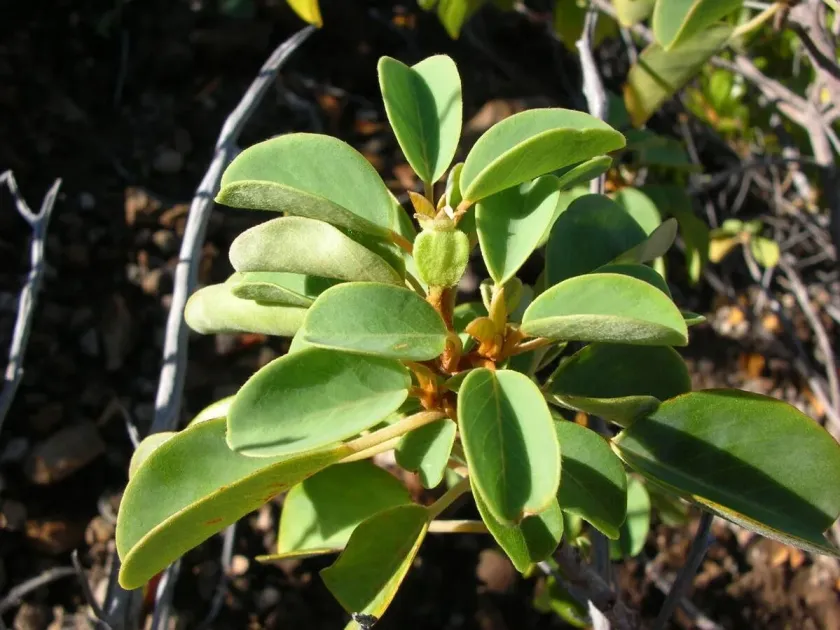
Description
Growing requirements
Gouania napalensis is a woody vine belonging to the Rhamnaceae family, native to tropical and subtropical regions. It is characterized by vigorous growth and a climbing habit, which requires structural support to thrive in an agricultural or greenhouse environment.
The plant requires well-drained, nutrient-rich soil with a neutral pH level. It performs best in organic-matter-rich substrates that maintain consistent moisture levels without becoming waterlogged, as the root system is sensitive to hypoxia caused by excess water.
Climate requirements for this species include high humidity and stable warm temperatures. Ideally, the ambient temperature should be maintained between 22°C and 28°C. The plant does not tolerate frost or cold drafts, making it suitable mainly for indoor or controlled climate cultivation.
Light exposure should be bright but indirect. High-intensity direct sunlight can damage foliage, especially in young specimens, while insufficient light leads to spindly growth and reduced leaf density, affecting the overall physiological state of the vine.
Cultural practices include regular pruning and training to vertical supports. Pruning helps maintain optimal plant size, encourages branching, and ensures that all parts of the vine receive adequate airflow, which is critical for preventing fungal diseases in a dense canopy.
Main diseases and pests
Major threats to Gouania napalensis include fungal infections such as powdery mildew, which thrive in humid, stagnant air conditions. Proper ventilation and airflow are the most effective non-chemical ways to mitigate these risks in protected environments.
Pests like spider mites and mealybugs are frequently observed on this culture. These insects thrive in warm greenhouse conditions and can quickly colonize the undersides of leaves, causing significant physiological damage if left untreated.
Root rot caused by pathogenic fungi is a constant danger when irrigation management is improper. Using sterilized soil media and strictly regulating the water frequency can significantly decrease the incidence of root-related plant health issues.
Aphids may cause damage by feeding on the sap of young, tender stems. Integrated pest management strategies, including the use of beneficial predatory insects or targeted biological insecticides, are recommended for maintaining a healthy crop.
Sanitation is a critical component of crop protection. Removing fallen leaves, debris, and pruning waste from the vicinity of the plant reduces the potential for disease spread and helps maintain a hygienic growing environment for the vine.