
Gouania microcarpa
Gouania microcarpa
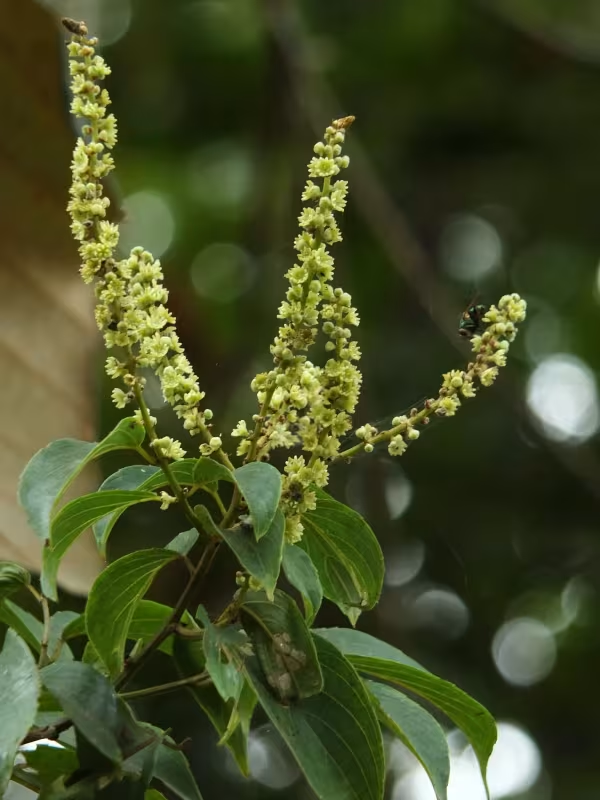
Description
Sowing dates
Sowing Gouania microcarpa requires careful attention to soil temperature and moisture levels, as seeds need a consistent tropical environment to germinate successfully.
Seeds should be sown in a well-draining, nutrient-rich substrate, preferably in late spring, ensuring that the soil remains warm throughout the entire day.
A light covering of soil is sufficient for the seeds, as they require some exposure to environmental warmth to trigger the metabolic processes needed for development.
During the early growth stages, seedlings must be protected from direct intense sunlight and wind, which can desiccate the tender shoots before they establish strong roots.
Successful sowing involves keeping the planting medium moist but not waterlogged, which is a common challenge that requires precise irrigation management in nursery conditions.
Growing requirements
Gouania microcarpa is a member of the Rhamnaceae (buckthorn) family, thriving primarily in tropical regions where heat and humidity are constant factors for growth.
The plant prefers fertile, well-draining soil that is rich in organic matter, supporting the vigorous development of its climbing stems and extensive root systems.
Partial shade is ideal for this vine, especially in areas with very strong direct sunlight, as the leaves are susceptible to scorching during peak daylight hours.
Regular maintenance of humidity is essential; in drier climates, supplemental irrigation or misting systems are necessary to replicate the plant's natural habitat.
Temperature stability is crucial for the health of the plant, as it is highly sensitive to cold snaps, which can lead to significant physiological stress and leaf drop.
Yield
The yield of Gouania microcarpa is typically measured in terms of leaf and bark biomass harvested for their specific medicinal and botanical properties.
Regular pruning cycles are essential to manage the yield, as this practice encourages the growth of new, active vegetative shoots while keeping the vine compact.
Harvesting is usually conducted on a rotational basis, ensuring that older parts of the vine are allowed to recover after bark collection, maintaining plant longevity.
The concentration of beneficial bioactive compounds depends heavily on the harvest timing, usually coinciding with the onset of the flowering season.
Post-harvest processing involves rapid drying in shaded, ventilated areas to prevent microbial contamination and preserve the integrity of the chemical constituents.
Main diseases and pests
Common pests include spider mites and scale insects, which can proliferate rapidly if the ambient air becomes too dry or if plant density is too high.
Root rot and leaf spot fungi are the most prevalent diseases, usually caused by over-irrigation or inadequate drainage, leading to stagnation in the soil.
Regular sanitation measures, including the removal of dead foliage, are critical to prevent the spread of pathogens throughout the planting area.
Integrated pest management, focusing on biological controls rather than harsh synthetic chemicals, is recommended to keep the harvested product high in quality.
Effective air circulation is a simple yet powerful preventative measure that significantly reduces the incidence of fungal growth on the leaves and stems.