
Gouania leptostachya
Gouania leptostachya
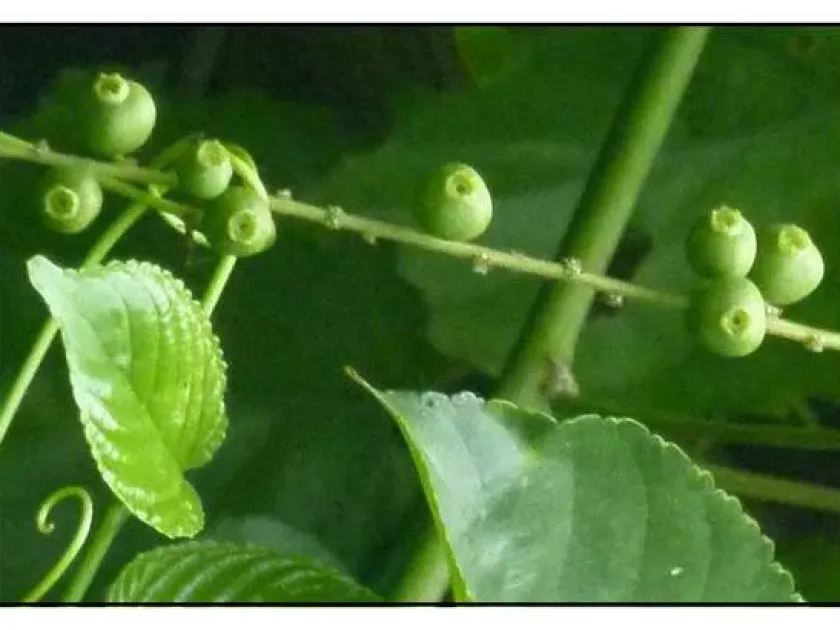
Description
Growing requirements
Gouania leptostachya is a perennial woody climber belonging to the Rhamnaceae family. Originating from the tropical regions of Asia, this plant is well-known for its vigorous growth and its ability to thrive in warm, humid forest ecosystems.
Regarding soil requirements, the plant prefers fertile, well-drained loamy soils. It is essential to ensure that the site has excellent drainage, as the roots are highly susceptible to rot if exposed to waterlogging for extended periods during the rainy season.
The climate must be tropical or subtropical, characterized by high temperatures and consistent rainfall. The plant does not tolerate frost and requires a frost-free environment to sustain its perennial growth cycle throughout the year.
Agronomic management relies heavily on the provision of support structures. As a climbing vine, Gouania leptostachya naturally seeks vertical growth; thus, growers utilize trellises, fences, or natural supports to manage the canopy and optimize light exposure.
Cultural practices include periodic pruning to manage the density of the vine. By thinning out excessive foliage, farmers improve airflow through the plant, which is critical for reducing humidity levels and preventing the onset of moisture-related diseases.
Main diseases and pests
The primary threats to Gouania leptostachya include fungal infections such as leaf spot and root rot, which typically occur in poorly ventilated areas with high moisture. Maintaining proper plant spacing is the most effective preventative measure.
Insect pests, specifically aphids and scale insects, pose a significant risk by feeding on the sap of young stems. This feeding behavior can stunt growth and provide entry points for secondary bacterial or viral infections that severely damage the plant.
Integrated pest management (IPM) strategies are recommended for managing these threats. This includes the use of neem oil or other organic pesticides to control sap-sucking pests without disrupting the beneficial insect populations in the environment.
Effective irrigation management is also essential. Drip irrigation systems are preferred over overhead spraying to keep the foliage dry, which significantly reduces the pressure from fungal pathogens that thrive on damp leaf surfaces.
Regular monitoring of the vine during the peak growth season allows for the early detection of stress factors. By removing infected sections early, producers can maintain the health of the entire crop and prevent the widespread loss of biomass.