
Gouania mauretiana
Gouania mauretiana
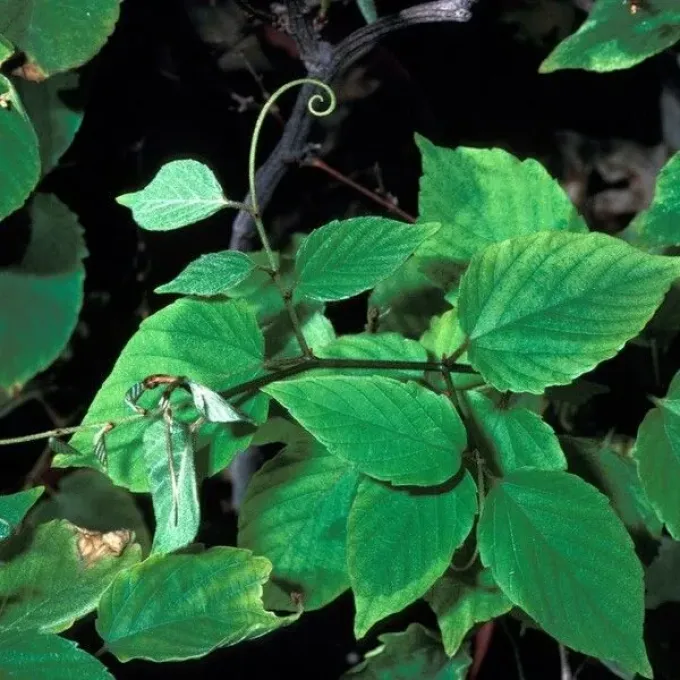
Description
Growing requirements
Gouania mauretiana is a woody climbing plant belonging to the Rhamnaceae family. Indigenous to the island of Mauritius, this species thrives in tropical environments characterized by high humidity and consistent warmth throughout the growing season.
The crop requires a tropical climate with temperatures typically ranging between 20 and 30 degrees Celsius. It is highly intolerant of frost, which causes severe structural damage to the stems and inhibits the plant's metabolic processes.
Soil requirements include well-drained, nutrient-rich substrates, ideally with organic content. While the plant can adapt to different soil types, it performs best in slightly acidic to neutral soil that prevents waterlogging and encourages healthy root expansion.
Water management is critical during the vegetative phase. Regular irrigation is necessary to maintain soil moisture, but the strategy must shift during the dormant periods to prevent root rot, ensuring adequate drainage at all times.
As a climbing species, Gouania mauretiana requires vertical support systems. In professional agricultural setups, trellising is essential to allow for maximum foliage exposure to sunlight, which is necessary for high rates of photosynthesis and healthy shoot development.
Main diseases and pests
Fungal infections, particularly powdery mildew, are major threats in humid, stagnant air environments. These infections compromise leaf integrity and can lead to reduced overall plant vigor if not treated early.
Pests such as spider mites and scale insects are common in sheltered growing conditions. They inflict damage by draining cellular fluids, often resulting in yellowing foliage and stunted development of new growing tips.
Root rot, often caused by pathogens like Phytophthora, remains a significant challenge. It is most prevalent in poorly drained soils where the environment is conducive to anaerobic conditions around the rhizosphere.
Leaf miners can also affect the aesthetic and functional quality of the plant by tunneling through the leaf tissue, which creates pathways for secondary bacterial and fungal infections to enter the plant system.
Integrated pest management (IPM) is recommended to mitigate these threats, focusing on biological controls and minimal synthetic intervention to preserve the health of the surrounding ecosystem and plant longevity.