
Gordonia lasianthus
Gordonia lasianthus
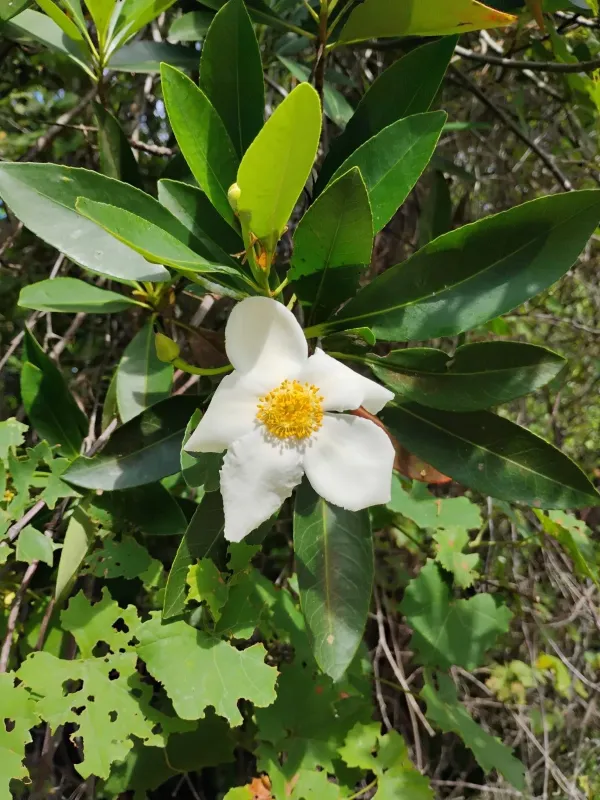
Description
Sowing dates
Gordonia lasianthus, commonly known as the Loblolly bay, is an elegant evergreen tree belonging to the Theaceae family. Propagation is primarily achieved through seeds or semi-hardwood cuttings collected during the late growing season.
When propagating by seed, it is essential to harvest the woody capsules once they begin to split. Seeds should be sown in a sterile, acidic, and well-draining medium to prevent fungal contamination and ensure successful germination.
Cuttings require high humidity and a consistent temperature to develop roots properly. Using intermittent mist systems in professional nurseries significantly improves the rooting percentage compared to traditional greenhouse methods.
The rooting process can be slow, often requiring several weeks or even months to establish a robust system. Once rooted, young plants should be carefully transitioned to larger pots to allow the taproot to develop without excessive stress.
Strategic timing for propagation ensures that the young plants are strong enough to withstand environmental shifts before being permanently planted in the landscape. Proper early-stage care is vital for long-term tree health.
Growing requirements
Gordonia lasianthus thrives in moist to wet, acidic soils, mirroring its native habitat in the coastal plains of the southeastern United States. It is an obligate acidophile that requires a low pH level, typically between 4.5 and 6.0, for optimal nutrient uptake.
Climatic requirements focus on warmth and moisture; the tree prefers regions with high humidity and mild winters. While it can handle occasional light frost, extreme cold can damage the foliage and cause significant plant stress.
Exposure to full sun encourages better flowering and a more symmetrical crown development. However, in hotter climates, partial afternoon shade is beneficial to prevent leaf scorch and excessive moisture loss from the soil.
Water management is the most critical aspect of maintenance. The root zone must never be allowed to dry out, as the species has evolved to grow in swampy, saturated conditions where water availability is constant.
Fertilization should be restricted to products specifically designed for acid-loving shrubs and trees. Avoiding lime and alkaline fertilizers is non-negotiable, as even minor increases in soil pH can lead to severe iron chlorosis.
Main diseases and pests
Root rot is the most significant threat to Gordonia lasianthus, primarily caused by the combination of poor soil drainage and stagnant water during winter dormancy. Selecting a site with proper drainage is the best preventive measure.
In terms of pests, the plant is relatively resistant, although scale insects and aphids may occasionally attack stressed individuals. These are easily managed with horticultural soaps or oil sprays when detected early.
Leaf spot fungi can develop during periods of high humidity and poor airflow. Keeping the tree canopy open through light pruning helps reduce the microclimate humidity that favors these fungal pathogens.
Iron deficiency, appearing as chlorosis, is common if the soil pH is not maintained correctly or if irrigation water is overly alkaline. Regular testing of the soil and irrigation water can preempt these physiological issues.
By providing a consistent, acidic, and moist environment, the Loblolly bay can remain relatively disease-free for many years. It is an excellent specimen tree when all its specific cultural requirements are strictly met.