
Gordonia fruticosa
Gordonia fruticosa
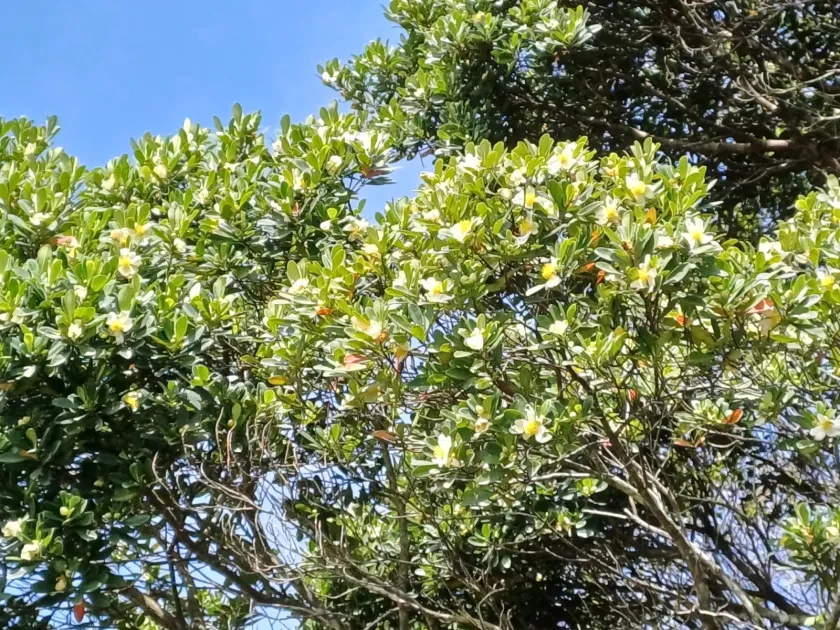
Description
Growing requirements
Gordonia fruticosa is an evergreen shrub belonging to the Theaceae family, native to tropical environments. It is highly valued for its dense foliage and aesthetic appeal, making it a focus of interest for specialized botanical cultivation and ornamental landscaping in suitable climates.
The cultural success of this species depends heavily on soil composition. It requires acidic to neutral, well-drained, and organic-rich soil to thrive. Proper drainage is the most critical factor, as stagnant water will inevitably lead to root hypoxia and subsequent decay.
Climatic preferences include stable temperatures, typically between 18 and 25 degrees Celsius. Being a tropical plant, it is not frost-tolerant and requires controlled greenhouse conditions in temperate regions to survive the winter months without damage to its structure.
Watering protocols should emphasize consistency. The soil should remain moist but never waterlogged. Using rainwater or softened water is highly recommended, as hard water can alter the soil pH over time, negatively affecting the plant's ability to absorb essential nutrients.
Management involves regular pruning to maintain an attractive shape and promote dense branching. Furthermore, applying a mulch layer of pine bark helps retain soil moisture and naturally supports the acidic requirements of the plant's root system.
Main diseases and pests
Common pests associated with Gordonia fruticosa include spider mites and scale insects, which often appear when environmental humidity is poorly managed. Integrated pest management, including regular inspections and the use of natural soaps, is effective in early detection.
Root rot, primarily caused by Phytophthora species, remains the most dangerous threat to the plant. This is usually a direct consequence of inadequate irrigation management or poorly structured planting substrate that prevents proper aeration.
Chlorosis is a frequent diagnostic sign in Gordonia cultivation. It usually indicates that the plant is struggling with pH imbalances or iron deficiency. Adjusting soil chemistry and applying chelated minerals are standard remedial actions to restore foliage color.
Powdery mildew may occur if the plant is kept in an environment with poor air circulation. Improving airflow through strategic pruning or using fans in greenhouse settings significantly reduces the pathogen pressure on the plant's leaves.
Sanitation practices are vital for preventing the spread of diseases. Removing fallen debris and cutting away any tissue showing signs of necrosis are basic hygiene steps that protect the plant's overall longevity and vigor throughout the growing season.