
Gomesa forbesii
Gomesa forbesii (Hook.) M. W. Chase & N. H. Williams
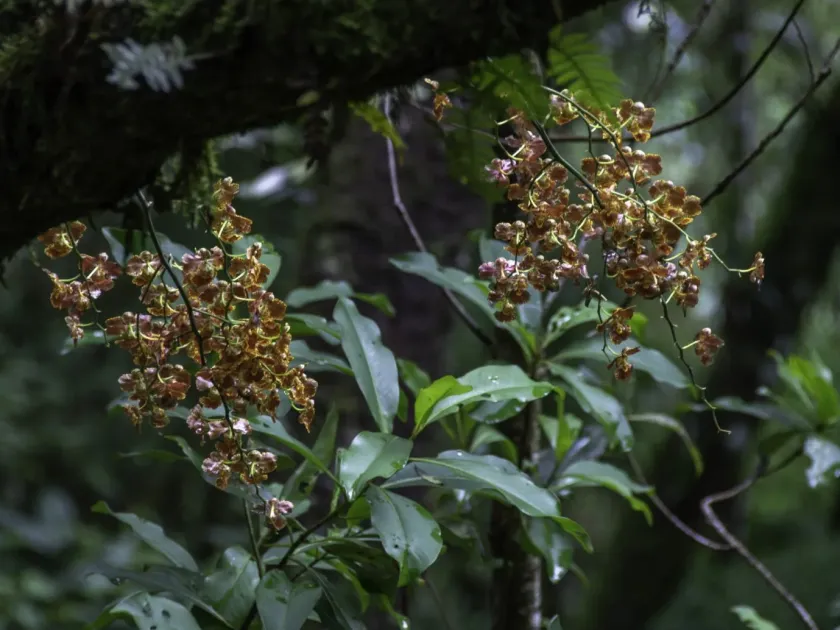
Description
Growing requirements
Gomesa forbesii is an epiphytic orchid species belonging to the family Orchidaceae. Native to the humid tropical forests of Brazil, this plant naturally thrives in high-canopy environments where it attaches itself to host trees, absorbing moisture and nutrients from the air and rain.
To cultivate this species successfully, growers must maintain a temperature range between +18°C and +24°C. Consistent thermal management is essential, and mimicking natural temperature fluctuations between day and night is highly beneficial for the development of healthy pseudobulbs.
The planting substrate must be highly porous to ensure efficient drainage. A standard mix for Gomesa forbesii includes high-quality pine bark, perlite, and sphagnum moss. Proper aeration of the root system is the most critical factor in preventing physiological stress and root death.
Light intensity should be bright but filtered to avoid scorching the foliage. In indoor settings, these orchids perform best with high ambient humidity, ideally sustained between 60% and 80%, often requiring misting or the use of automated humidification systems during drier periods.
The primary horticultural use of Gomesa forbesii is ornamental, as it is highly prized by orchid enthusiasts for its unique floral architecture. The plant is typically propagated through division, ensuring that each new section retains at least three healthy pseudobulbs for rapid establishment.
Main diseases and pests
Gomesa forbesii is susceptible to common orchid pests such as spider mites and scale insects. These pests often congregate on the undersides of leaves or near the pseudobulbs, necessitating routine visual checks and the use of targeted horticultural oils when infestations are detected.
Fungal pathogens and root rot are the most frequent causes of plant decline, typically exacerbated by overwatering and stagnant air. Maintaining a strict irrigation schedule based on the drying rate of the substrate and ensuring excellent air circulation around the plant is vital for disease prevention.