
Licorice
Glycyrrhiza glabra L. x Glycyrrhiza uralensis Fisch. ex DC.
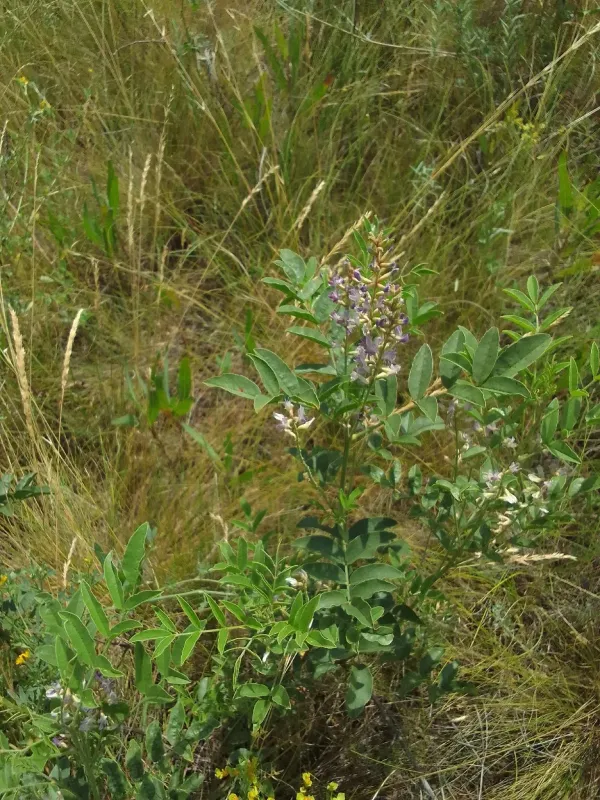
Description
Sowing dates
Licorice is typically sown in early spring when soil temperatures reach 10–12°C. Seeds require mechanical or chemical scarification to break dormancy and ensure uniform germination.
Vegetative propagation using root cuttings is a common practice for small-scale operations to establish a crop faster than using seeds alone.
Sowing depth should be kept shallow, between 1 to 2 cm, to ensure the seeds remain in contact with the moisture required for early root development.
Standard industrial planting uses wide-row spacing (60–90 cm) to facilitate mechanical weeding and allow sufficient space for the plant's robust root system to expand.
Initial stand density should aim for 100,000 to 150,000 plants per hectare, which provides an optimal balance for yield potential and field management efficiency.
Growing requirements
Licorice belongs to the Fabaceae family and is a sun-loving perennial that thrives in climates with hot, dry summers and cool winters.
The crop prefers well-drained, sandy loam soils that are deep enough to accommodate its extensive taproot system, avoiding heavy clay where moisture may pool.
Ideal growing temperatures range from 20–30°C, and the plant demonstrates strong tolerance to drought once the root system is well-established.
While the plant can fix atmospheric nitrogen through symbiotic bacteria, soil fertility management is crucial for high root yields and premium quality raw material.
Effective weed control is critical during the first year of growth, as young licorice plants are slow to develop and can be easily outcompeted by aggressive weeds.
Yield
Economic yields of licorice roots are typically achieved starting in the third or fourth year of cultivation, when the active compounds reach peak levels.
Under optimal management, producers can expect dried root yields ranging from 3 to 6 tons per hectare, depending on irrigation and soil nutrition.
The pharmaceutical value of the harvest is determined by the glycyrrhizin concentration, which is influenced by both plant maturity and environmental factors.
Intensive farming systems utilizing drip irrigation can significantly increase biomass production and shorten the time required for the crop to reach harvestability.
Monitoring the health of the subterranean plant parts is essential to ensure that the yield remains consistent and free from decay before the final harvest date.
Main diseases and pests
Fungal diseases like rust and powdery mildew are the most significant threats, especially in areas with high humidity and poor air circulation between rows.
Root rot caused by stagnant water or pathogen-infested soils can lead to significant crop loss, particularly in younger or stressed plantations.
Common insect pests include nodule weevils, which damage the foliage and can interfere with the nitrogen-fixing processes occurring on the roots.
Aphids and various leaf-chewing insects can weaken the plant during the growing season, reducing the overall photosynthetic efficiency of the crop.
Preventative measures involve crop rotation, the use of certified healthy planting material, and timely fungicide applications to manage pest outbreaks.
Harvesting
Harvesting licorice requires specialized heavy-duty equipment capable of lifting roots from a significant depth, often exceeding 50 cm below the soil surface.
The best time to harvest is late autumn after the aerial growth has withered, ensuring that nutrient translocation into the root system is maximized.
Once harvested, roots must be thoroughly washed to remove soil and debris, followed by the removal of low-quality or damaged root segments to maintain standards.
Drying is performed at controlled temperatures (40–50°C) to prevent molding and degradation of the therapeutic compounds, especially the glycyrrhizin content.
After reaching the target moisture levels, the dried roots are graded, packaged, and prepared for industrial extraction in the pharmaceutical or food industries.