
Glycyrrhiza uralensis
Glycyrrhiza uralensis Fisch. ex DC.
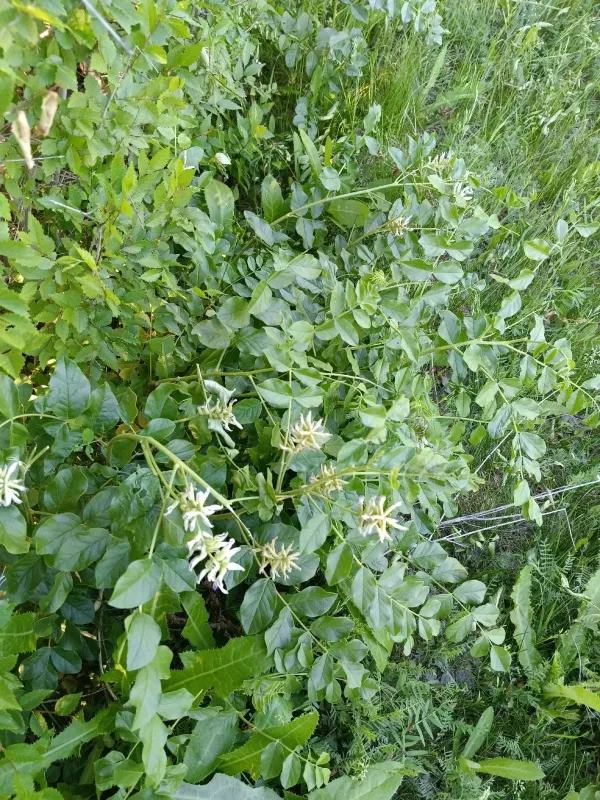
Description
Sowing dates
Sowing of Glycyrrhiza uralensis is typically carried out in the spring once soil temperatures reach 10–12°C, or during the late autumn period. Since seeds have a hard seed coat, pre-sowing scarification is essential to ensure efficient germination and uniformity of the crop.
The seeding rate is approximately 10–15 kg per hectare, depending on the row spacing method. Seeds should be planted at a shallow depth of 2–3 centimeters to ensure optimal energy for emergence and to prevent the seedlings from exhausting their reserves before reaching the surface.
Seedlings develop slowly, making them highly susceptible to competition from weeds during the early stages. Constant monitoring and mechanical weeding are required during the first few weeks after emergence to ensure the young plants are not choked by faster-growing vegetation.
Standard row spacing ranges from 45 to 60 centimeters, allowing for mechanical equipment to navigate the field for inter-row cultivation. This spacing is vital for long-term plantations, providing enough space for the root system to expand horizontally and vertically over the years.
As a perennial crop, Glycyrrhiza uralensis requires a long-term management plan. Most commercial plantations are designed to stay on the same land for 3 to 5 years before reaching the peak maturity required for harvesting the active compounds within the roots.
Growing requirements
Glycyrrhiza uralensis, a member of the Fabaceae family, thrives in sunny and open environments. It shows excellent environmental adaptability but prefers sandy or light loamy soils that offer superior drainage to prevent waterlogging.
The plant is known for its remarkable drought and salt tolerance, allowing it to be cultivated in saline or degraded areas where other crops might fail. However, moderate soil moisture is necessary during the main growing season to optimize root biomass accumulation.
A deep soil profile is required as the plant develops an extensive root system. Heavy clay soils are generally discouraged, as they impede root penetration and increase the risk of decay, which negatively affects the quality of the raw material.
Temperature requirements are generally suited to steppe and semi-desert climatic zones. The species is capable of surviving significant temperature fluctuations and harsh winter conditions, making it a robust candidate for expansion in various continental regions.
As a legume, the plant fixes nitrogen, reducing the need for intensive fertilization. Supplementary applications of phosphorus and potassium are sometimes used early in the development phase to encourage strong root architecture rather than excessive vegetative top growth.
Yield
Yield capacity depends on the age of the plantation and the quality of field management. The prime harvest occurs between the third and fourth year, by which point the concentration of glycyrrhizin in the root system is maximized.
On average, a well-managed plantation produces 5 to 10 tons of dry roots per hectare. Actual yields are heavily influenced by the specific agro-climatic conditions and the availability of water during the critical stages of plant maturation.
Optimal plant density, usually maintained at 150,000 to 200,000 plants per hectare, is essential for high productivity. Insufficient density leads to weed dominance, while excessive density may cause nutrient competition and smaller individual root sizes.
Product quality is measured not only by root weight but also by the chemical profile of the plant. Precise drying techniques and post-harvest handling are crucial to retain up to 95% of the active medicinal compounds sought by the pharmaceutical industry.
The economic viability of this crop is high, given its low input requirements and ability to produce stable yields on marginal land. It represents a low-maintenance, high-value opportunity for farmers operating in semi-arid environments.
Main diseases and pests
Glycyrrhiza uralensis is susceptible to fungal diseases such as rust and leaf spot, especially in areas with high humidity and poor airflow. These pathogens can spread rapidly, damaging the photosynthetic surface and slowing overall root development.
Pests, particularly weevils and aphids, target the leaves and succulent stems, causing significant stress to the plant. If left untreated, severe infestations can drain the plant's energy reserves, leading to poor root growth and reduced harvest quality.
Root rot is a major threat in fields with poor drainage or over-irrigation. Fungal pathogens that infect the root system can cause significant plant loss, making the harvested product unsuitable for use in medicinal preparations.
Crop rotation is critical; Glycyrrhiza uralensis should never follow other legumes to prevent the build-up of specific soil-borne pathogens. Regular scouting and the use of integrated pest management (IPM) techniques are the best defenses against significant crop loss.
- Mechanical cultivation to eliminate competitive weeds.
- Controlled irrigation to prevent waterlogging.
- Fungicide application if disease thresholds are exceeded.
- Field sanitation by removing debris after the final harvest.
Harvesting
Harvesting is the most labor-intensive stage, often requiring heavy-duty machinery to penetrate the soil and lift the roots. Because the root system can reach depths of one meter, specialized deep-plowing equipment is necessary to extract the entire root network.
The ideal harvesting period is late autumn, after the above-ground biomass has withered. During this dormant phase, nutrients are stored within the roots, ensuring that the concentration of medicinal compounds is at its highest point of the year.
After extraction, the roots must be thoroughly cleaned of soil and debris. Damaged sections should be trimmed away, and the remaining material must be processed quickly to prevent degradation or contamination during the cleaning phase.
Drying is performed in controlled environments at temperatures between 50°C and 60°C. Excessive heat can destroy the delicate active compounds, while improper or slow drying risks mold growth, which can ruin entire batches of stored material.
Once dried and sorted, the roots are packaged and stored in cool, ventilated facilities. Properly handled licorice root maintains its chemical integrity and commercial value for up to two years, remaining a stable commodity for global markets.