
Bristly licorice
Glycyrrhiza echinata L.
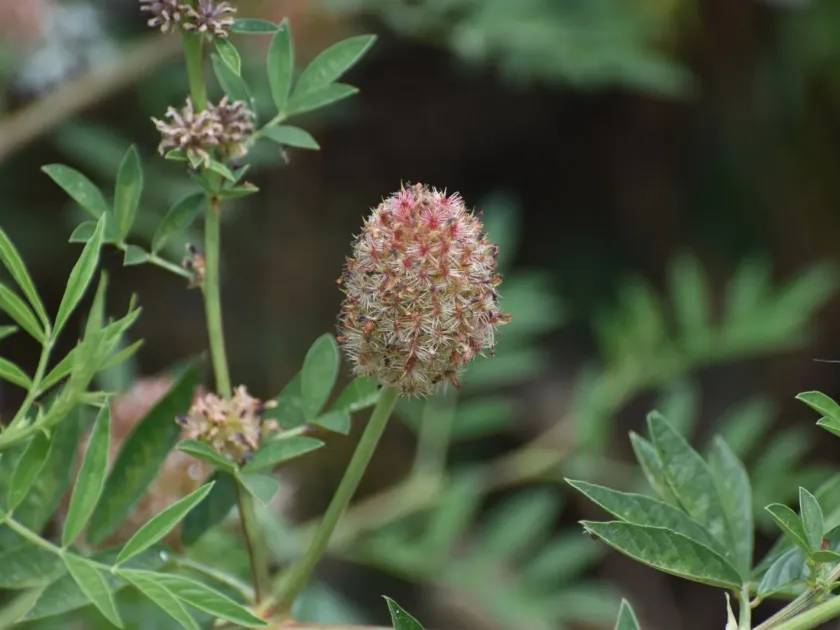
Description
Sowing dates
Bristly licorice (Glycyrrhiza echinata L.) is a perennial herbaceous plant belonging to the Fabaceae family. It is recognized for its medicinal properties and its ability to improve soil fertility through nitrogen fixation.
The optimal sowing time is during the spring when soil temperatures reach 10–12°C. Seeds possess a hard coat, so mechanical scarification is highly recommended before planting to ensure uniform and rapid germination.
Seeds are typically sown at a depth of 2–3 cm. In the first year, growth is focused on establishing a robust root system, which requires careful management of the plant's environment during this developmental stage.
Standard row spacing for this crop is set between 45 and 60 cm. This spacing allows for the effective use of mechanical cultivators, which are essential for controlling weeds and ensuring soil aeration during the early stages of plant growth.
Under favorable conditions, late autumn (dormant) sowing is also possible. This method leverages natural stratification, which can improve germination rates in regions with predictable winter moisture cycles.
Growing requirements
The plant thrives in full sun and prefers open, well-ventilated areas. Adequate light exposure is critical for the biosynthesis of secondary metabolites, such as glycyrrhizin, within the root system.
It requires deep, permeable, and fertile loamy or sandy soils. Soil structure is paramount; the plant cannot tolerate waterlogged conditions or compacted soils, as these hinder root elongation and promote rot.
The ideal pH range for Glycyrrhiza echinata cultivation is between 6.5 and 7.5. While moderately tolerant of various soil types, high acidity should be mitigated through liming to support the plant's growth and root development.
The crop is known for its high drought resistance once established, thanks to its deep taproot. However, sufficient moisture during the first two years of life is essential to guarantee successful stand establishment.
Periodic cultivation of the inter-row space is required to prevent surface crusting. Maintaining good soil structure is one of the most effective strategies for ensuring high yields and preventing root pathologies.
Yield
Yield potential is cumulative and reaches its peak after 3 to 4 years of growth. Harvesting is typically timed with the plant's physiological maturity to maximize the concentration of bioactive compounds in the roots.
Average yields of raw roots range from 5 to 8 metric tons per hectare. Upon drying and refinement, the final commercial weight is significantly lower, reflecting the loss of moisture content while retaining therapeutic quality.
Weed management is the most significant factor affecting yield in the first two years. Competition for nutrients and space can drastically reduce the biomass of the developing licorice roots if not controlled promptly.
Optimizing plant density is crucial for yield. Overcrowding can lead to smaller root diameters, while excessive spacing may result in poor land utility and lower total harvest output per unit of area.
Ongoing monitoring of soil fertility, specifically phosphorus and potassium levels, helps to maintain steady growth rates and improves the overall resilience of the plantation throughout its cycle.
Main diseases and pests
The primary pathological threats to bristly licorice include root rot (Fusarium spp.), which is often exacerbated by poor drainage or excessive soil moisture levels. Prevention involves rigorous site selection.
Pests such as pea leaf weevils and various soil-dwelling larvae can cause significant damage. Weevils specifically target the foliage, potentially reducing the plant's capacity for photosynthesis, while larvae can damage the roots.
Implementing a strict crop rotation schedule is the most effective biological defense. It is recommended to wait 5–6 years before replanting the same ground with licorice to disrupt the cycle of soil-borne pathogens.
Chemical intervention should be cautious and limited, ensuring that all pesticides applied are approved for use on crops intended for pharmacological purposes to avoid residue build-up in the final product.
Integrated Pest Management (IPM) practices, including the use of beneficial insects and early detection of infestations, provide a sustainable approach to maintaining the health of the entire plantation.
Harvesting
Harvesting occurs in the autumn once the aerial parts of the plants begin to senesce. This timing coincides with the maximum accumulation of nutrients and active compounds within the underground organs.
Deep plowing or heavy-duty subsoilers are required to extract the roots, which can penetrate depths of 50 cm or more. Efficient extraction minimizes root breakage and ensures that the maximum possible biomass is recovered.
Freshly harvested roots must be washed thoroughly to remove soil and debris. Following cleaning, the roots are sliced or processed into standard lengths to facilitate uniform drying in controlled conditions.
Drying is performed at temperatures below 50°C to preserve chemical integrity. Once dried, the roots must be stored in cool, low-humidity environments to prevent moisture absorption and fungal spoilage.
Post-harvest soil preparation is essential to eliminate any residual root fragments that might propagate as weeds in the subsequent crop cycle, ensuring a clean field for future land usage.