
Reed mannagrass
Glyceria ischyroneura Steud.
Description
Growing requirements
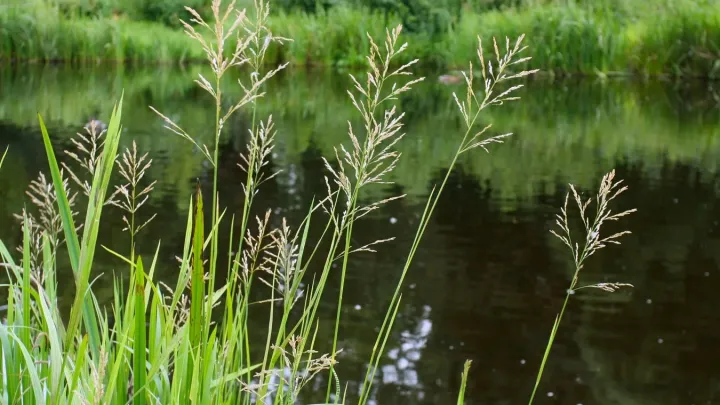
Reed mannagrass (Glyceria maxima), known taxonomically as synonymous with Glyceria ischyroneura, is a perennial grass of the Poaceae family. It is a robust, rhizomatous plant naturally adapted to nutrient-rich, waterlogged soils, riverbanks, and swampy habitats throughout Eurasia.
The botanical structure of this species includes tall, erect culms that can grow up to two meters in height, supported by an aggressive system of underground rhizomes. These rhizomes allow the plant to form dense monotypic stands, which are highly effective at soil stabilization and biomass production.
In agricultural settings, Reed mannagrass thrives in soils with high moisture content, including peat and silt, where other forage species fail to establish. It requires high levels of nitrogen for optimal development and responds significantly to well-managed fertility programs on wetland sites.
The climate requirements of this culture are centered on humid conditions; it exhibits excellent tolerance to prolonged flooding and frost. Its ability to tolerate anaerobic soil conditions makes it a unique crop choice for land that is otherwise considered marginal for traditional agriculture.
Forage utilization includes fresh grazing, hay, and silage production. The biomass is highly palatable to cattle and sheep when harvested at the right phenological stage, making it a valuable resource for intensive livestock systems located in riparian or wetland landscapes.
Main diseases and pests
The crop is susceptible to several fungal diseases, including various types of rust (Puccinia spp.) and powdery mildew. These issues often arise when planting density is too high, combined with high humidity levels and stagnant air circulation within the grass canopy.
Insect pests such as grass aphids and stem-boring insects may affect the crop during early vegetative growth. Effective management involves monitoring plant health and ensuring that harvesting is conducted promptly to maintain plant vigor and reduce the impact of pest outbreaks.