
Floating sweet-grass
Glyceria fluitans (L.) R. Br.
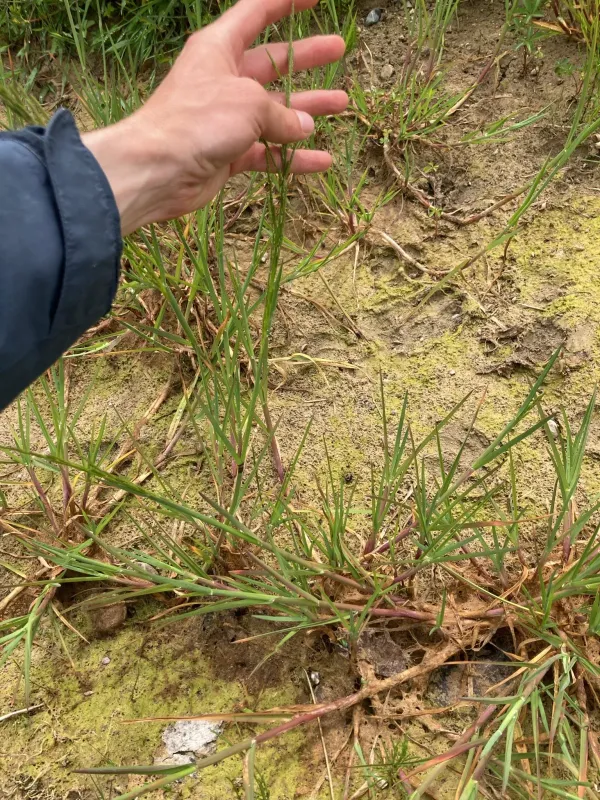
Description
Sowing dates
Floating sweet-grass (Glyceria fluitans) is a perennial grass species in the Poaceae family, specifically adapted to aquatic and semi-aquatic habitats. Propagation occurs through rhizomes and seeds, allowing the plant to colonize wet areas effectively.
Sowing is typically performed in the spring when soil moisture is at its peak. Fall sowing is also a viable option, allowing seeds to benefit from natural stratification during winter, which significantly improves germination uniformity in the following spring.
The seeds are relatively small and should be sown at a shallow depth of 1 to 2 centimeters. Using a standard drill method with row spacing of 15–20 cm ensures optimal stand density without excessive seed waste.
Compaction of the soil after sowing is recommended to ensure strong seed-to-soil contact. This step is critical because the seeds are highly sensitive to desiccation and require constant moisture for successful imbibition and sprouting.
Due to its high tillering capacity, the crop quickly creates a dense sward. This rapid growth habit is advantageous for establishing permanent ground cover on saturated soils or riverbanks where other grasses fail to thrive.
Growing requirements
The primary requirement for this species is a consistent water supply. Floating sweet-grass is an obligate hydrophyte, making it ideal for the reclamation of waterlogged areas, marshy meadows, and low-lying pastures with high groundwater levels.
The plant is highly resilient to prolonged flooding, including partial submersion, where it develops floating leaves and stems. This trait makes it exceptionally useful for protecting the edges of ponds and canals from erosion.
While the crop tolerates various soil types, it performs best on nutrient-rich alluvial or silty soils. It is responsive to nitrogen application, which promotes robust vegetative growth during the main growing season.
Floating sweet-grass is adapted to temperate climates and demonstrates excellent winter hardiness. It can survive harsh frosts and is among the first species to initiate regrowth as soon as temperatures rise in the spring.
Drought is the primary limiting factor for this crop. Management strategies must prioritize the maintenance of stable moisture levels, as the plant will show significant yield reduction and stunted growth under dry conditions.
Yield
Floating sweet-grass is recognized as a high-quality forage crop. It is rich in soluble sugars and protein, making it a highly palatable feed for cattle and other livestock, especially in its early growth stages.
Depending on soil fertility and moisture management, the crop can yield two substantial cuts of green mass per season. Proper fertilization can further enhance the nutritional quality and overall biomass production.
The hay produced from this grass is known for its soft texture and high digestibility. It serves as a valuable winter fodder component, providing essential nutrients that support animal productivity during cold months.
Grazing management should be carefully monitored to avoid overgrazing. Maintaining a sufficient stubble height is essential to ensure the longevity of the stand and promote subsequent regrowth after the animals are moved.
Beyond its use as fodder, the crop contributes to the stability of riparian ecosystems by providing habitat and preventing sediment loss in areas that are otherwise difficult to manage agriculturally.
Main diseases and pests
Floating sweet-grass is generally robust; however, it is susceptible to specific fungal diseases such as rust or powdery mildew when grown in stagnant, overly humid environments with poor air circulation.
Preventative measures focus on maintaining appropriate stand density. Avoiding overcrowding ensures better airflow around the stems and leaves, which significantly reduces the risk of fungal outbreaks.
Pest pressure is typically minimal. While occasional minor damage from aphids or stem-boring insects may occur, it rarely reaches economic thresholds that would justify the use of synthetic pesticides.
Invasive weeds can pose a risk during the early establishment phase. Once the stand is fully developed, the aggressive nature of the floating sweet-grass allows it to naturally suppress most competing vegetation.
Chemical control is rarely utilized, not only due to the low incidence of severe pests but also because of the strict regulations concerning pesticide use in the wetlands where the crop is usually located.
Harvesting
The optimal harvest timing for hay is at the start of the heading stage. Harvesting at the onset of flowering ensures the best balance between biomass quantity and nutritional density, particularly protein content.
Harvesting on saturated soil requires specialized machinery, such as tractors with wide tires or low-pressure tracks, to prevent sinking and minimize soil compaction or damage to the rhizome mat.
A stubble height of 5 to 7 centimeters should be maintained during the cut. This height protects the crown of the plant and stimulates rapid development of secondary shoots, ensuring a productive follow-up cut.
Seed harvesting must be timely due to the natural tendency of the seeds to shatter as they mature. The harvest should commence when the lower portions of the panicles turn brown, indicating physiological maturity.
Post-harvest, seeds must be dried to a moisture content of 12–14% and cleaned of debris. Properly stored seeds retain high viability and vigor for up to three years under cool and dry conditions.