
Gloriosa superba
Gloriosa superba L.
Description
Growing requirements
Gloriosa superba L. is a tuberous perennial plant belonging to the Colchicaceae family. Originally native to tropical Africa and Asia, it is typically found in scrublands, thickets, and forests where it can climb using its specialized leaf-tip tendrils.
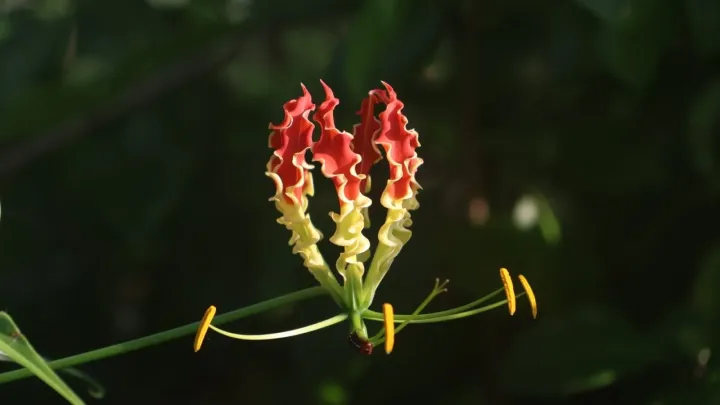
The plant is known for its spectacular, flame-like flowers. It grows as a slender vine with fragile stems. The underground part consists of fleshy, brittle tubers that contain colchicine, a toxic alkaloid that serves as a defense mechanism but makes the plant dangerous if ingested.
This species requires a warm, humid environment with temperatures between 20–25°C. It thrives in bright, filtered light; intense direct sunlight can scorch the foliage, making semi-shaded areas in greenhouses ideal for its healthy development.
Soil requirements involve a loose, well-draining substrate rich in organic matter. A neutral or slightly acidic soil pH is preferred. Proper drainage is the most critical factor to prevent the tubers from rotting during the growth cycle.
Agrotechnical care includes consistent watering during the growing season and providing stable support for the vines to climb. During the dormant period, the stems naturally die back, and the tubers require a dry storage period at 10–15°C.
Main diseases and pests
Common pests include aphids and spider mites, which can quickly colonize the foliage in greenhouse environments. These pests thrive in dry conditions and can cause significant damage to the leaf structure if not managed early.
The most severe threats to the plant are fungal diseases, particularly root rot and grey mold. These issues are almost exclusively caused by overwatering or poor drainage, which creates an anaerobic environment unfavorable for the tubers.
Prevention involves maintaining good airflow around the plants and avoiding overhead irrigation. If a plant shows signs of fungal infection, it should be isolated immediately, and the soil moisture should be strictly controlled.
Tools used for pruning or dividing the tubers must be sterilized to prevent the spread of pathogens. Any physical damage to the tuber increases the risk of soil-borne diseases, so manual handling must be performed with extreme caution.
Integrated pest management, including the use of biological control agents, is recommended for professional cultivators. Regular inspection and maintaining optimal climate parameters are the best defenses against both diseases and infestations.
Harvesting
Gloriosa superba is primarily cultivated as a high-value ornamental plant for indoor gardens and specialty cut flower production. Its exotic appearance makes it a favorite for floral arrangements in premium markets.
In addition to ornamental use, the plant is harvested for the pharmaceutical industry. The tubers are the primary biological source for extracting colchicine, an important compound used in treating gout and in plant breeding research to induce polyploidy.
Harvesting the tubers occurs once the foliage has turned yellow and withered. The tubers are carefully excavated from the soil, cleaned of debris, and left to dry in a cool, ventilated area before being stored for the next planting season.
Storage management is crucial to maintain the quality of the tubers. They must be kept in a cool, dry place to prevent premature sprouting or dehydration. Proper sorting ensures that only viable tubers are saved for propagation.
Professional handling during harvest and processing is essential due to the toxic nature of the plant tissues. Protective equipment should be worn to avoid skin irritation or accidental ingestion of the plant's sap during maintenance or harvesting.