
Gloriosa rothschildiana
Gloriosa rothschildiana O'Brien
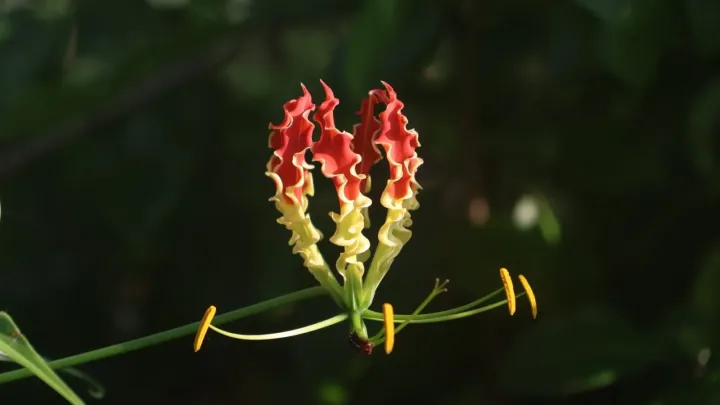
Description
Sowing dates
Gloriosa rothschildiana is a tuberous perennial that belongs to the Colchicaceae family. Planting is typically performed in early spring using dormant tubers, which should be placed horizontally into the soil at a depth of 5 to 10 centimeters.
The substrate for planting must be warm, with a minimum temperature of 18 to 20 degrees Celsius. It is crucial to handle the tubers gently, as the growing tip is extremely fragile and susceptible to breakage.
For container gardening, select a pot with excellent drainage. Placing the tuber in a nutrient-rich, well-draining mix allows for consistent moisture retention without risking water stagnation around the tuber.
Propagation from seeds is also possible but requires significant time. Seeds are sown in a fine, porous germination medium and kept in high-humidity conditions until germination occurs.
Once seedlings emerge, they should be kept in a bright location and protected from drafts. Proper spacing is necessary to ensure adequate airflow and to prevent early-stage overcrowding of the young vines.
Growing requirements
This exotic vine thrives in environments with high humidity and temperatures ranging from 22 to 25 degrees Celsius. It is highly sensitive to cold, and temperatures below 15 degrees Celsius can cause dormancy or rot.
The plant requires bright, filtered sunlight to bloom effectively. While it enjoys a warm environment, direct midday sun during peak summer may scorch the leaves and should be avoided.
Soil requirements are strict: the medium must be light, airy, and slightly acidic. A mix of peat, loam, and coarse sand provides the necessary structure to support the rapid growth of the climbing stems.
Providing a trellis or vertical support system is essential. The plant utilizes modified leaf tips (tendrils) to anchor itself, allowing it to climb efficiently as it grows toward the light source.
Regular watering is necessary during the active growing season. However, once the foliage begins to yellow at the end of the season, watering must be gradually reduced until the tubers enter their natural resting phase.
Main diseases and pests
Common pests include spider mites and aphids, which frequently infest the tender leaves and shoot tips. These insects thrive in dry air conditions and can cause significant damage if left untreated.
Systemic insecticides or organic horticultural oils can be used to control pest populations. Regular monitoring and maintaining proper humidity levels are the best defenses against these potential outbreaks.
Root and tuber rot represent the most significant disease threat to Gloriosa rothschildiana. This condition is almost exclusively caused by overwatering or poor soil drainage, which encourages fungal development.
If rot is detected, the affected parts of the tuber should be excised, and the wound should be treated with a fungicidal powder before repotting into fresh, dry soil.
It is important to note that the plant contains colchicine, an alkaloid that is toxic to both humans and pets. Always use gloves during pruning and maintenance to avoid accidental ingestion or skin irritation.