
Girardinia bulbosa
Girardinia bulbosa
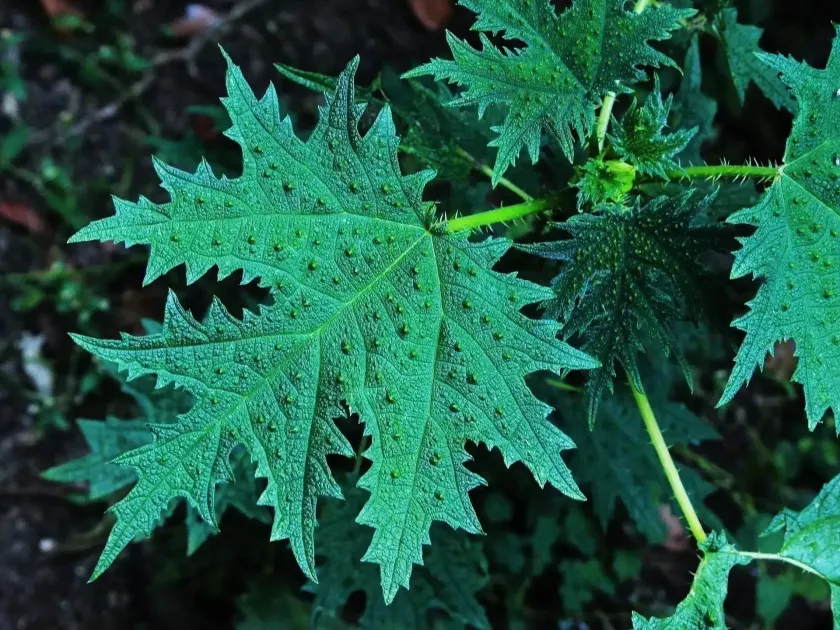
Description
Sowing dates
Girardinia bulbosa belongs to the Urticaceae family and is recognized as a hardy perennial plant with potential for agricultural use as a fiber-producing crop.
Sowing should be performed in well-prepared, nutrient-rich soil once the danger of late frost has passed, ensuring favorable conditions for seed germination.
The seeds require optimal spacing to allow for the development of robust stems, which are the primary product of interest in commercial cultivation.
Adequate moisture must be maintained during the initial sowing phase to support the establishment of the root system and promote uniform plant emergence.
Regular monitoring of seedbeds is essential to ensure that weed competition does not hinder the growth of young plants during their sensitive early stages.
Growing requirements
The crop thrives in temperate climates with moderate humidity and requires consistent environmental conditions to achieve maximum vegetative growth.
Well-drained, fertile soils with a neutral or slightly acidic pH level are ideal for cultivating this species, as it is sensitive to waterlogging and soil acidity.
Exposure to partial sunlight is beneficial, although the plant can adapt to various light intensities depending on its specific regional environmental factors.
Organic fertilization is highly recommended to support the rapid development of stems and the synthesis of long, durable fibers within the plant tissues.
Consistent agrotechnical management, including irrigation and soil aeration, plays a critical role in the healthy development of the plantation throughout the season.
Yield
The yield of Girardinia bulbosa is primarily measured by the quantity and quality of the bast fibers that can be extracted from the matured plant stems.
Optimal harvesting timing is crucial, as the fiber content and quality correlate directly with the maturity phase of the stalks before they become too woody.
Productivity per hectare depends on the density of the planting, soil fertility management, and the overall maintenance of the field during the growing season.
Processing the raw material requires efficient mechanical or traditional methods to separate the valuable fiber from the inner woody core of the stem.
Future agricultural expansion of this crop depends on improving processing efficiencies and identifying sustainable textile applications for its natural fibers.
Main diseases and pests
The plant can be susceptible to common pests such as aphids and various leaf-eating insects that can reduce the efficiency of photosynthesis.
Fungal infections, particularly root rot, represent significant threats if the irrigation system results in stagnant water or poor soil drainage.
Disease management should prioritize preventive measures, such as selecting resistant cultivars and implementing proper crop rotation strategies on the farm.
Monitoring for signs of leaf discoloration or stem decay is necessary for the early detection and management of pathogens within the cultivated area.
Adhering to integrated pest management practices helps minimize chemical usage while maintaining the quality of the harvested biological raw materials.
Harvesting
Harvesting usually involves cutting the stems at the base when they reach their peak fiber maturity, ensuring that the stalks remain intact for processing.
Mechanical harvesting equipment should be calibrated to minimize mechanical damage, which can negatively affect the final quality of the extracted fibers.
Post-harvest handling involves drying the stalks to reduce moisture content and prevent the onset of fungal or bacterial degradation of the fiber.
Logistics and transport of the harvested raw material must be planned to prevent damage, especially if the stems are bundled for industrial transport.
Efficient primary processing soon after harvest ensures the highest grade of fiber, making it suitable for high-value industrial and textile applications.