
Sand leek
Allium scorodoprasum L.
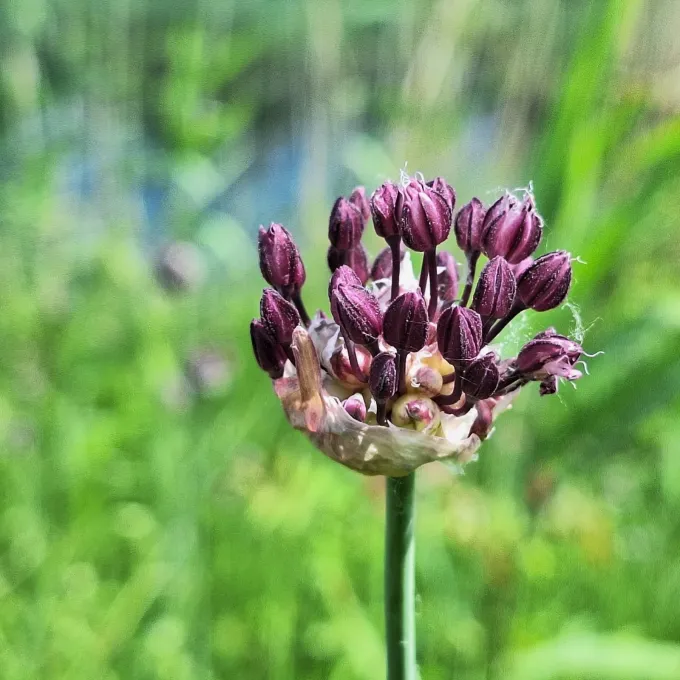
Description
Sowing dates
Sand leek (Allium scorodoprasum) is a perennial plant species belonging to the Amaryllidaceae family. It is native to much of Europe and parts of Western Asia, traditionally valued for its savory, garlic-like flavor.
The propagation of this crop is primarily vegetative, using small bulbs or bulbils that develop in the flower head. This method ensures consistent genetic traits and rapid establishment of the crop.
Planting is generally performed in the autumn, allowing the plants to establish a robust root system before the ground freezes. Early spring planting is also feasible in regions with milder climates.
The ideal spacing for commercial or garden cultivation involves rows spaced 25 to 30 centimeters apart, with individual bulbs placed 10 to 15 centimeters within the row to minimize competition.
Choosing a site with fertile, well-draining soil is crucial. The plant performs best in sandy loam soils that have been enriched with organic matter, such as well-rotted compost, prior to planting.
Growing requirements
As a hardy perennial, the sand leek is well-adapted to temperate climates. It exhibits high winter hardiness and can survive severe frosts, making it suitable for northern cultivation zones.
Exposure to full sunlight is essential for optimal growth. Insufficient light results in elongated leaves, reduced bulb mass, and a significant decrease in the concentration of aromatic compounds.
Water management is critical throughout the vegetative cycle. While the plant can handle short periods of drought once established, regular irrigation during the leaf growth phase is necessary for yield.
Soil pH should ideally be neutral or slightly alkaline. Acidic soils may require the addition of lime to improve nutrient availability, particularly for calcium and magnesium absorption.
Maintenance involves frequent weeding, as the crop is not highly competitive against vigorous weeds. Keeping the area clear helps improve air circulation around the plants, reducing fungal risk.
Main diseases and pests
The primary pests affecting Allium scorodoprasum include onion flies and various species of thrips. These can significantly damage both foliage and developing bulbs if left unchecked.
Fungal pathogens such as downy mildew and botrytis blight are common threats in wet, humid conditions. These diseases can devastate leaf tissue and lead to premature plant senescence.
Bulb rot is a serious issue during storage and late-season growth, often resulting from poor drainage or excessive soil moisture. Proper crop rotation is the most effective management strategy.
Integrating chemical and biological control measures is recommended if pest populations exceed thresholds. Monitoring for early signs of infestation is vital to prevent rapid spread across the plot.
Sanitation practices, such as the removal of crop residues after harvest, are essential to break the lifecycle of many pathogens and overwintering pests that hide in garden debris.
Harvesting
Harvesting should occur when approximately half to two-thirds of the foliage has yellowed and withered. At this stage, the bulbs have reached maturity and are at their peak for flavor.
Careful extraction from the soil is required to prevent mechanical injury to the outer scales. Any damage to the bulb increases the risk of decay during the curing and storage process.
Curing is a mandatory step that involves drying the bulbs in a shaded, well-ventilated location. This process toughens the outer skin, creating a natural barrier against moisture loss and infection.
Once cured, the foliage is trimmed back to leave a short neck of about 3 centimeters. This practice balances the need to minimize storage volume with the need to keep the bulb intact.
The final product should be stored in cool, dry conditions with constant air movement. Proper storage environment ensures the bulbs remain dormant and flavorful throughout the winter months.