
Giant onion
Allium giganteum Regel
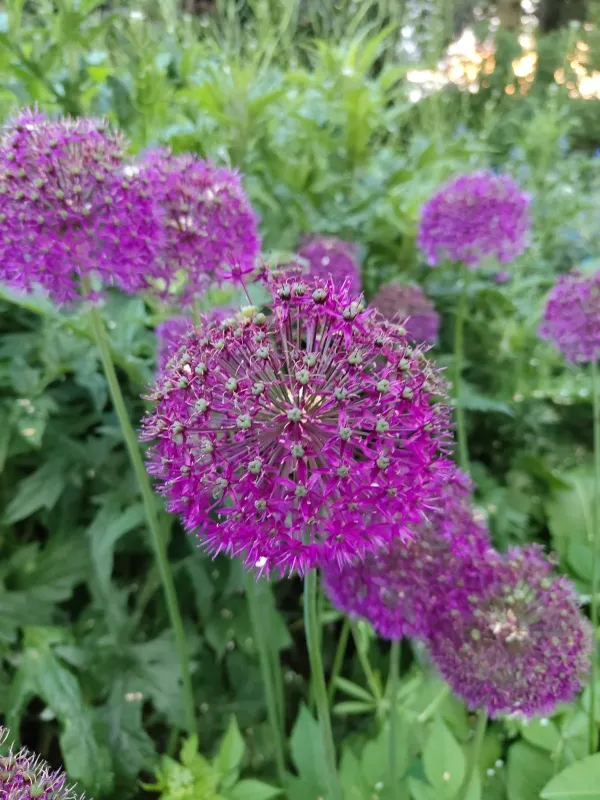
Description
Sowing dates
Planting of giant onion bulbs is typically conducted in autumn, specifically during September or October, allowing sufficient time for root establishment before winter.
The planting depth should be approximately three times the height of the bulb, ensuring it is deep enough to survive temperature fluctuations.
Propagation by seeds is possible through autumn or spring sowing, although the plants will require several years to reach maturity and flowering size.
Spacing is a critical factor for healthy development; bulbs should be placed 30 to 50 centimeters apart to prevent overcrowding and nutrient competition.
Sites must be selected for full sun exposure, as insufficient light will cause the long, majestic flower stalks to weaken and potentially lodge.
Growing requirements
As a member of the Amaryllidaceae family originating from the mountainous regions of Central Asia, this plant thrives in well-drained conditions.
The ideal soil is fertile, sandy-loam with excellent drainage, as stagnant water is the primary cause of bulb decay in this species.
While Allium giganteum is hardy, in areas with harsh, snowless winters, adding a layer of mulch such as leaves or peat will protect the bulbs.
Moderate moisture is required during the active growing season, but watering should be reduced as the plant approaches its period of summer dormancy.
The soil should have a neutral pH; if the environment is too acidic, applying lime is recommended to create a balanced growing medium.
Main diseases and pests
Fungal pathogens such as downy mildew and Fusarium rot are the most common threats, often triggered by excessive soil or air humidity.
Onion maggots represent the most significant pest risk, capable of destroying the bulb and causing stunted growth or total plant failure.
Proactive measures include disinfecting bulbs with fungicides before planting and maintaining strict crop rotation to avoid soil-borne infections.
Regular monitoring for symptoms of rot or pest activity allows for immediate intervention, such as removing infected specimens to save the cluster.
Proper aeration of the planting site is essential to prevent microclimates that encourage the rapid spread of fungal spores among the leaves.
Harvesting
Harvesting for storage or division occurs during the summer dormancy phase, once the foliage has completely turned yellow and dried out.
After lifting, the bulbs must be cleaned of debris and cured in a well-ventilated, shaded area to ensure moisture removal and prevent rot.
Sorting the cured bulbs by size helps in planning the next season's arrangement and ensures that only healthy material is replanted.
Storage should be in a cool, dry place within breathable containers like paper bags or wooden crates to maintain bulb viability until autumn.
Dividing the bulb offsets should be done gently to avoid causing lesions that could act as entry points for pathogens during the storage period.