
Aged chives
Allium senescens L. subsp. Senescens
Description
Sowing dates
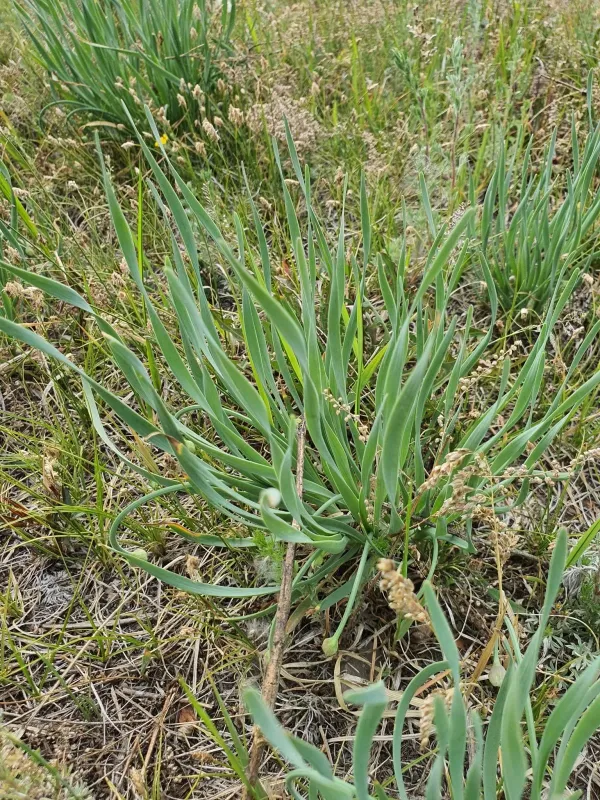
Allium senescens, commonly known as aged chives or broad-leaved chives, is a perennial bulbous plant belonging to the Amaryllidaceae family. It is characterized by its rhizomatous root system and spirally arranged, flat, fleshy leaves.
Propagation is most commonly achieved through division of established clumps in early spring or late autumn. This method ensures that the young plants will quickly establish themselves and maintain the genetic characteristics of the parent.
Seed sowing can be performed in the spring in prepared seedbeds or trays. The seeds require a shallow covering of soil, roughly 1 cm deep, and should be kept consistently moist until germination, which usually occurs within two weeks.
For optimal growth, seedlings should be transplanted to their final location when they reach a height of 10-15 cm. Proper spacing of 25-30 cm between plants is recommended to allow for their future expansion as the clumps grow larger over time.
Regular division of the clumps every 3 to 4 years is essential for maintaining the vigor of the plant. Failure to divide the plants results in overcrowding, which leads to reduced leaf production and a decline in overall plant health.
Growing requirements
This species thrives in well-drained, sandy loam soils that are rich in organic matter. While it is highly adaptable, it significantly prefers sites with a neutral to slightly alkaline pH to reach its maximum productivity.
Allium senescens is remarkably drought-tolerant once established, owing to its thickened root structure. However, in professional agricultural settings, consistent irrigation during the peak growth season will significantly enhance the quality and quantity of the harvestable foliage.
Exposure to full sun is critical for both healthy foliage development and for the plant’s characteristic violet-pink flower spikes. While it can survive in partial shade, such conditions often lead to "leggy" growth and reduced flavor intensity in the leaves.
The plant is exceptionally winter-hardy and requires no special protection during the dormant season, even in colder northern climates. It begins its spring regrowth as soon as soil temperatures rise, making it a reliable early-season crop.
Fertilization should be applied sparingly, ideally with a balanced NPK fertilizer in early spring. Avoid excessive nitrogen, as this can encourage soft, succulent growth that is more susceptible to disease and pest infestation.
Main diseases and pests
The primary threats to this plant are soil-borne fungal pathogens caused by waterlogged soil. Root rot is the most common issue, necessitating the selection of well-drained sites and the avoidance of over-irrigation.
Insects like the onion maggot and onion thrips can occasionally cause damage, particularly in dense, neglected plantings. Monitoring the underside of leaves and the crown area during the growing season is a standard preventive measure.
Cultural practices, such as removing debris and dead foliage from the garden beds in autumn, significantly reduce the wintering sites for various pests and fungal spores, thereby lowering the risk of spring infections.
Biological control agents, such as introducing beneficial insects or using neem-based products, are preferred in professional herb production to maintain the organic status of the crop and minimize chemical residues.
If fungal spotting occurs on the leaves, removing and destroying the affected tissues is the first line of defense. Proper air circulation achieved through appropriate plant spacing is the most effective long-term preventative strategy.
Harvesting
The harvesting of Allium senescens leaves is done by cutting the outer leaves at the base of the clump. This cut-and-come-again method encourages the plant to continue producing fresh, tender foliage throughout the growing season.
The flavor profile is distinct, offering a mild, pleasant onion-garlic aroma. It is widely used in culinary applications, including fresh salads, herb butters, and as a garnish, as it is much milder than standard bulb onions.
Flower buds can also be harvested before they fully open. These are considered a delicacy in some cultures and are often pickled or used as an edible, visually striking garnish in gourmet cooking.
For storage, the leaves can be frozen in airtight bags to preserve their essential oils and flavor. Drying is also an option, although the delicate flavor intensity tends to diminish more significantly when compared to freezing.
In ornamental settings, harvesting is often minimized to allow the decorative violet-pink blossoms to fully develop. These flowers are highly attractive to pollinators, adding significant ecological value to the agricultural landscape.