
Senescent onion
Allium senescens L.
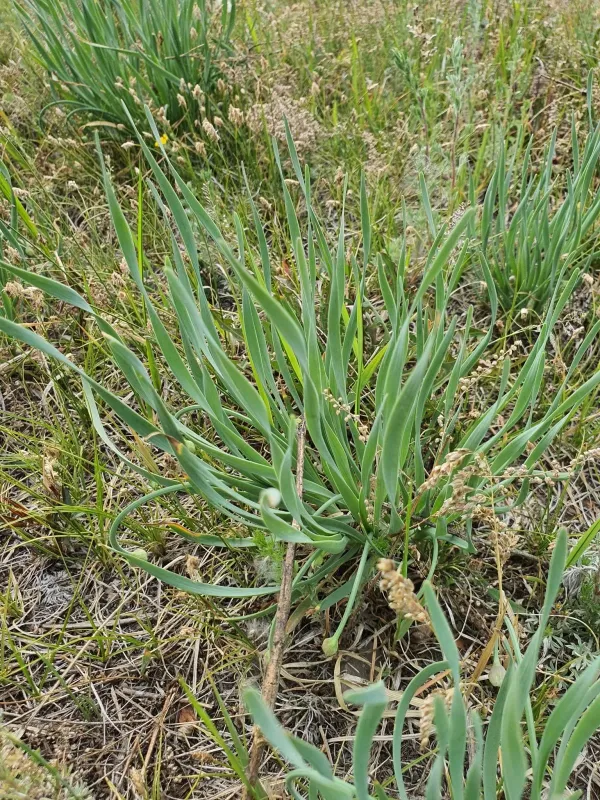
Description
Sowing dates
The senescent onion is a perennial herbaceous plant, typically propagated by seeds sown in early spring as soon as the soil warms up to at least 10 degrees Celsius. Late autumn planting is also possible, allowing seeds to undergo natural stratification over the winter.
Vegetative propagation is commonly used by dividing established clumps in early spring or late August. This allows the plant to take root effectively before the peak heat or the winter frost begins.
When planting seeds, a spacing of 30–40 centimeters between rows is recommended because the plant tends to spread outwards as it matures. The ideal depth for sowing seeds is approximately 1–1.5 centimeters.
Initial germination usually occurs within two to three weeks. Since the plant develops slowly during its first year, focusing on foliage growth, the first substantial harvest should be expected only in the second year.
Consistent soil moisture is crucial during the germination phase to ensure uniform development. Using mulch can help maintain moisture and prevent the soil from forming a crust over the delicate seedlings.
Growing requirements
Belonging to the Amaryllidaceae family, the senescent onion is native to rocky slopes and meadows across Europe and Asia. It is highly valued for its extreme hardiness and drought tolerance once established.
The plant thrives in full sun exposure. While it can tolerate partial shade, sunlight is essential for maintaining its health, vibrant leaf color, and high nutrient concentration.
Well-drained, fertile, and neutral-pH soil is optimal for this species. It is strictly recommended to avoid low-lying areas where water tends to pool, as stagnant moisture is detrimental to the roots.
The ideal temperature range for growth is between 18 and 22 degrees Celsius. During prolonged heatwaves, light irrigation helps keep the foliage tender and prevents it from becoming excessively tough.
Regular mineral fertilization, particularly nitrogen in early spring, promotes vigorous leaf development. Balanced potassium and phosphorus fertilizers during the bud phase support overall plant resilience.
Yield
The yield of the senescent onion consists of flavorful, flat, and succulent leaves that are available shortly after the snow melts in early spring. The flavor profile is mild and pleasant, lacking the harshness of some onion varieties.
With proper maintenance, including timely irrigation and fertilization, one can harvest up to 2 kilograms of fresh green foliage per square meter throughout the season using selective harvesting methods.
The young flower stalks are also edible and highly prized for their taste. Harvesting them before the buds open adds variety to the culinary harvest and encourages the plant to maintain focus on vegetative growth.
A single planting can remain productive for 5 to 7 years. To keep the patch vibrant, division and rejuvenation of the old root systems are recommended after this period.
Productivity is highly correlated with light availability. Areas with less light often result in elongated foliage and lower overall biomass compared to those planted in sunny, open spaces.
Main diseases and pests
Fungal diseases, specifically downy mildew, pose the most significant threat to the senescent onion, especially under conditions of high humidity and poor air circulation.
The onion fly is a common pest that can damage the underground parts of the plant. Strategic companion planting with crops like carrots can act as a natural deterrent.
Root rot becomes a significant problem when the plant is grown in heavy, clay-based soils that do not allow for adequate water drainage after heavy rainfall.
Aphids can infest the flower stalks during the flowering season. While rarely fatal, they weaken the plant, so biological control agents are recommended to maintain plant health.
Effective sanitation, such as the timely removal of dead or decaying foliage, is key to preventing the spread of fungal spores and reducing the presence of overwintering pests.
Harvesting
Harvesting begins in early spring, once the leaves have reached a height of 15–20 centimeters. Using sharp, clean scissors or a knife is essential to avoid crushing the plant tissues.
Leaves are best enjoyed fresh, as they contain the highest concentration of vitamins and aromatics at that time. As the season progresses, leaves may become more fibrous.
For long-term storage, the foliage can be finely chopped and frozen. Freezing preserves the distinct, mild onion flavor effectively for use in soups, stews, and sauces throughout the winter months.
If the patch is intended for ornamental use, it is best to limit leaf harvesting during the flowering season, as excessive foliage removal can detract from the plant's aesthetic appeal.
Flower stalks should be harvested while still young and crisp. This practice not only provides an edible delicacy but also prevents the plant from exhausting its energy reserves on seed production.