
Geophila obtusifolia
Geophila obtusifolia
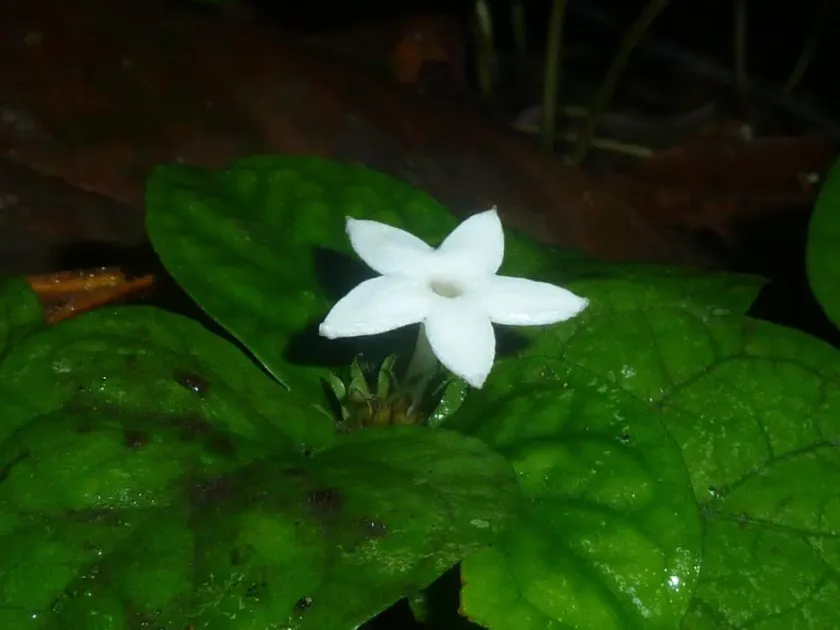
Description
Growing requirements
Geophila obtusifolia is a creeping perennial plant belonging to the Rubiaceae family. Native to tropical regions, this species is well-adapted to the understory of humid forests, where it thrives in shaded environments with high humidity levels.
Botanically, the plant is characterized by its prostrate stems that root at the nodes, creating a dense, low-growing groundcover. The leaves are typically rounded or blunt-tipped, with a leathery texture that helps the plant conserve water in its native habitat.
Regarding climatic requirements, the plant demands consistent temperatures, ideally between 20°C and 30°C. It is highly sensitive to direct sunlight, which can scorch the foliage; therefore, cultivation requires shaded or semi-shaded areas.
Soil quality is a critical factor, with the plant requiring a humus-rich, well-draining medium. The substrate must remain moist but never waterlogged to ensure the health of the delicate root system, which is prone to suffocation in dense, packed soils.
The economic and practical use of Geophila obtusifolia mainly involves its role as a decorative cover in tropical botanical gardens. Furthermore, it is a subject of pharmaceutical research due to the chemical compounds found in its tissues, which have potential applications in traditional medicine.
Main diseases and pests
The primary threats to Geophila obtusifolia are fungal pathogens, specifically root rot, which occurs in poorly drained soils. Over-watering is the most common cause of plant decline in both home and commercial cultivation settings.
Pests such as spider mites and scale insects can pose a significant threat to the foliage. Regular monitoring is essential, as these pests thrive in the same warm, humid conditions that the plant prefers, leading to rapid population growth.
Gastropods, including slugs and snails, are major threats to the young, tender growth of the plant. Barriers or organic deterrents are often used to protect the creeping stems from being consumed by these nocturnal pests.
Bacterial diseases may emerge if the planting density is too high and air circulation is insufficient. Thinning out the plants and ensuring proper spacing is a standard agronomic practice to prevent these issues.
Improper nutrient management can lead to weakened plant structures, making them more susceptible to disease. A balanced, low-concentration fertilizer application is recommended to maintain vigorous growth without causing osmotic stress.