
Gaudium trinervium
Gaudium trinervium
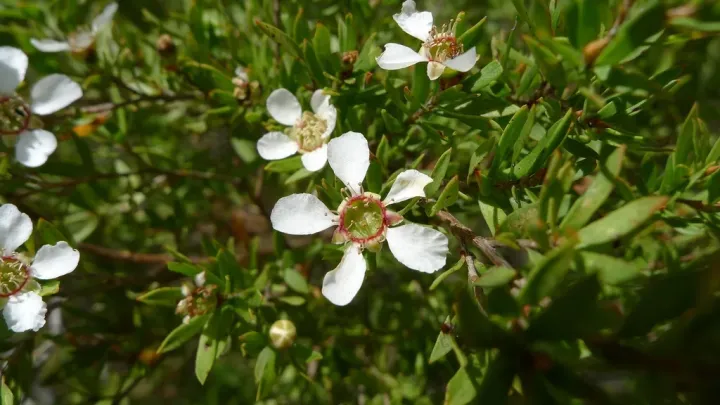
Description
Sowing dates
Sowing of Gaudium trinervium should be carried out when the soil has warmed up to 12-15 degrees Celsius and the risk of night frosts has passed. The optimal time for planting in temperate climates is the second decade of May.
The seeding depth is 3-5 centimeters, ensuring proper contact with the moist soil layer for uniform germination. It is important to maintain row spacing of at least 45 centimeters.
Pre-soaking seeds in micronutrient solutions is recommended to accelerate germination and increase the vitality of young sprouts. This practice significantly improves overall field emergence.
Sowing density depends on soil fertility and the purpose of the crop. In commercial operations, a seeding rate providing 150,000 to 200,000 plants per hectare is standard.
After sowing, the field must be rolled to ensure capillary moisture flow to the seeds. This procedure is critical for increasing field emergence percentage during dry periods.
Growing requirements
Gaudium trinervium prefers well-drained loamy soils with a neutral or slightly acidic pH. The crop is extremely sensitive to waterlogging in the root zone.
Intensive sunlight is required for normal development throughout the growing season. Shading reduces the accumulation of beneficial nutrients in the plant biomass.
The optimal temperature range for vegetation is between 20 and 28 degrees Celsius. The crop demonstrates moderate resistance to short periods of drought.
The soil profile should be rich in organic matter, which can be achieved by applying compost or well-rotted manure during autumn primary tillage.
Agronomic management requires regular inter-row cultivation to prevent soil crust formation and improve soil aeration for the plant's root system.
Yield
Green biomass yield under intensive cultivation technology reaches 30-40 tons per hectare. Results depend heavily on the level of mineral nutrition and moisture availability.
Average seed yield is about 1.5-2 tons per hectare when all agronomic protocols are followed. High productivity potential is inherent to the biological traits of the variety.
Under irrigated farming conditions, yields can increase by 20-30 percent due to stable soil moisture levels during the flowering phase.
Yield also depends on the quality of pre-sowing soil preparation and the effectiveness of weed control during early development stages.
To assess actual productivity, agronomists recommend monitoring crop conditions during critical growth phases and adjusting fertilization plans accordingly.
Main diseases and pests
The primary threat to Gaudium trinervium is fungal diseases that develop under high humidity. Root rot is among the most frequently observed issues.
Pest damage from aphids or spider mites can significantly reduce the photosynthetic activity of the leaves. Regular field inspections starting from early stages are necessary.
Disease prevention includes crop rotation, avoiding planting in the same field for at least three to four years. This minimizes pathogen accumulation in the soil.
In case of infestation, the use of biological fungicides is recommended to effectively manage threats without harming the ecosystem.
- Use of resistant hybrid varieties
- Timely fungicidal treatment
- Weed control to eliminate infection reservoirs
Harvesting
Harvesting Gaudium trinervium is performed during the period of full seed maturity, when the moisture content of the main plant parts drops to 18-20 percent.
Harvesting technology can involve swathing or direct combining, depending on weather conditions and the uniformity of crop maturity across the field.
It is important to minimize harvesting losses by using properly adjusted headers. Reducing mechanical seed damage is critical for maintaining future germination capacity.
Post-harvest processing includes cleaning and drying seeds to a safe moisture level, which prevents mold development and self-heating during storage.
Correctly organized drying allows the preservation of high seed quality until the next season, ensuring stable production profitability.