
Gaudium laevigatum
Gaudium laevigatum
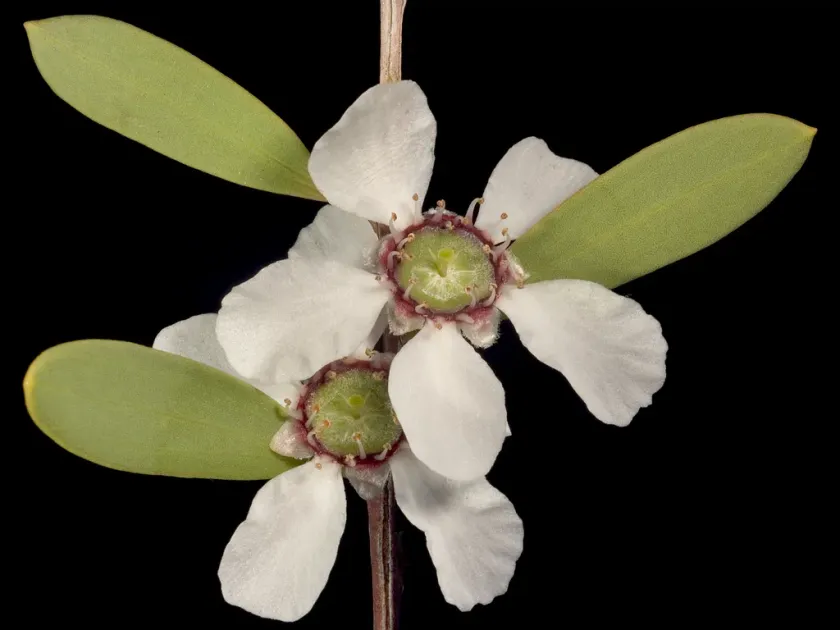
Description
Sowing dates
Gaudium laevigatum requires precise sowing timing to ensure optimal germination, with soil temperatures needing to exceed 12 degrees Celsius.
Spring planting is recommended once the risk of frost has passed, as young plants are particularly sensitive to low-temperature stress during the first growth phase.
Seeds should be planted at a consistent depth of 2 to 4 centimeters, providing a stable environment for seedling emergence and initial root development.
Proper spacing is essential to prevent overcrowding, which can lead to increased competition for sunlight and nutrients among the individual plants.
Advanced agricultural techniques suggest using precision seeders to ensure uniform depth and spacing across the entire field for a standardized crop stand.
Growing requirements
This crop thrives in well-drained, fertile soil, ideally with a neutral pH level that facilitates the uptake of essential micronutrients and minerals.
Gaudium laevigatum demands high levels of sun exposure, requiring fields that are open and clear of shadows throughout the majority of the day.
Regular irrigation is vital during dry spells, particularly during the flowering and fruit-setting stages, to maintain consistent crop health.
Balanced fertilization practices are necessary to provide nitrogen, phosphorus, and potassium, which are critical for the plant’s structural and physiological development.
Soil structure should be managed through regular tilling and the inclusion of organic matter to maintain aeration and moisture-retention capabilities.
Yield
Productivity for Gaudium laevigatum is heavily influenced by the quality of crop management and the specific environmental conditions of the growing season.
Maximizing yield requires a proactive approach to soil health and the selection of high-quality, disease-resistant seed varieties adapted to the local climate.
Yield targets can be met consistently by implementing rigorous monitoring of growth parameters throughout the entire vegetation period of the crop.
Rotation cycles with non-related crop species help reduce soil exhaustion and break the reproductive cycles of various plant-specific pathogens.
Effective resource management, including optimized water and nutrient inputs, is the hallmark of high-yield farming practices for this specific culture.
Main diseases and pests
Fungal infections, particularly root rot, pose the most significant risk to the plant if soil moisture levels remain uncontrolled for extended periods.
Pest infestations, such as leaf-eating insects, can diminish the plant's leaf area, subsequently impacting photosynthesis and total biomass production.
Integrated Pest Management (IPM) strategies are recommended to mitigate threats while minimizing the environmental footprint of chemical interventions.
Proactive field scouting is essential to identify early warning signs of infection, allowing for targeted treatments rather than broad-spectrum spraying.
- Using resistant cultivars to combat endemic regional diseases.
- Maintaining field borders free of weeds that serve as pest hosts.
- Implementing clean harvest practices to reduce residue-borne inoculum.
Harvesting
Harvesting should occur when the crop reaches peak technical maturity, characterized by specific textural and color changes in the fruit tissues.
Careful mechanical handling is required to minimize bruising and damage, which directly influences the post-harvest shelf life of the collected crop.
Immediately after harvest, cooling the product is crucial to slow down metabolic degradation and preserve the inherent quality of the raw material.
Grading and sorting processes should be conducted to ensure that only the highest quality produce enters the supply chain for consumer markets.
Proper storage facilities with climate control are necessary for long-term preservation, ensuring that moisture and temperature remain stable during the storage duration.