
Gaudium semibaccatum
Gaudium semibaccatum
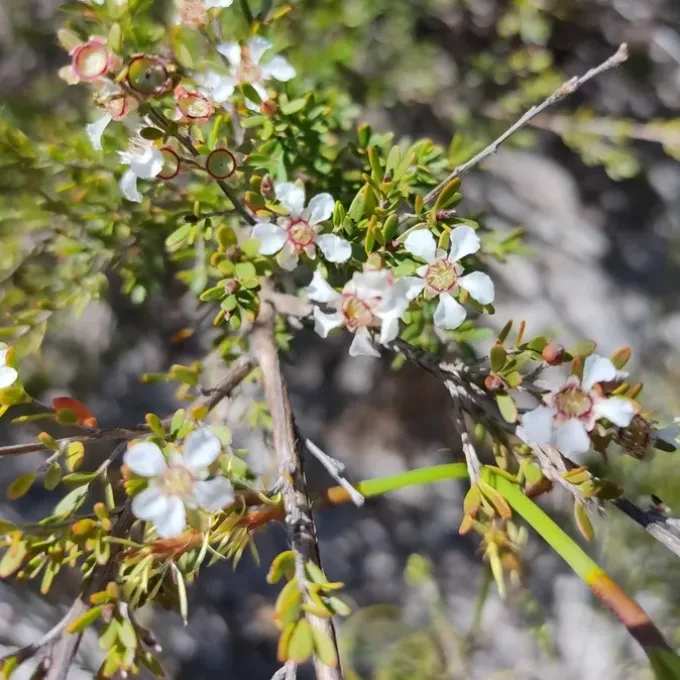
Description
Sowing dates
The sowing of Gaudium semibaccatum should be conducted once the soil has sufficiently warmed, typically when temperatures remain stable at +15°C or above. The ideal window for establishing new plantations is mid-spring, ensuring the risk of late frosts is eliminated.
Due to the dense nature of the seeds, pre-sowing treatments such as scarification or short-term soaking in growth stimulants are highly recommended to ensure uniform germination. Seeds should be planted at a shallow depth of 2–3 centimeters.
Proper spacing is crucial for this species, as it exhibits significant branching during its development phase. A minimum row spacing of 60 centimeters is recommended to facilitate optimal airflow and access for mechanical maintenance equipment.
In controlled environments or greenhouses, sowing can be staggered throughout the season, though optimal yields are generally achieved from spring plantings. Consistent moisture levels immediately following sowing are vital to guarantee consistent seedling emergence.
Precision seeding technology is encouraged to ensure accurate planting density, which directly impacts the competitive ability of the plants against weeds and reduces the need for manual thinning later in the growth cycle.
Growing requirements
Gaudium semibaccatum thrives in well-drained sandy or loamy soils with a neutral pH range of 6.5 to 7.2. Excessive soil moisture or poor drainage can quickly lead to root rot, making site selection on slightly elevated terrain highly advantageous.
Sunlight exposure is a primary requirement for this crop; full sun throughout the day is essential for vigorous growth. Insufficient light levels often result in poor fruit development, reduced sugar accumulation, and increased susceptibility to fungal issues.
While the species shows some drought tolerance once established, consistent moisture is required during the flowering and fruit-setting stages. Drip irrigation systems are the most efficient means of meeting these water requirements while minimizing the risk of foliar diseases.
The optimal temperature range for active growth is between +20°C and +28°C. Significant deviations, particularly low night temperatures during the fruit-development phase, can disrupt physiological processes and lead to premature drop of berries.
Fertilization regimes should prioritize balanced NPK ratios with an emphasis on potassium during the reproductive phase to enhance the structural integrity of the fruit and improve post-harvest shelf life.
Yield
The yield potential of Gaudium semibaccatum is highly dependent on agricultural management, with average outputs reaching 15–20 metric tons per hectare under optimal conditions. Yields typically peak during the second and third years of the plant's life cycle.
Strategic pruning is a key driver of yield. By removing older, less productive wood and managing the density of the canopy, growers can redirect energy toward the production of larger, more uniform berries, which fetch higher market prices.
Intensive farming practices, including fertigation and regular health monitoring, can increase output by 20–30% compared to traditional cultivation methods. This requires careful nutrient management and consistent water quality monitoring.
The harvest is often graded by size and maturity, allowing producers to categorize the yield for different market needs, such as fresh consumption, processing, or secondary extraction markets.
Data-driven management of plantations, including tracking the number of berries per bush, allows for more accurate forecasting of harvest volumes and better planning for seasonal labor requirements during the picking period.
Main diseases and pests
The crop faces pressure from common pests such as spider mites and aphids, particularly in hot, dry conditions. Integrated Pest Management (IPM) strategies, including the use of beneficial insects and selective organic insecticides, are highly recommended.
Fungal diseases like powdery mildew are significant threats, especially in humid or poorly ventilated environments. Proactive management involves maintaining adequate spacing between plants and applying preventative fungicides early in the season.
Bacterial pathogens can cause severe damage if introduced to a plantation. Maintaining strict phytosanitary standards, including the use of certified disease-free planting stock and practicing robust crop rotation, is essential for long-term plantation health.
- Routine scouting for early symptoms of leaf discoloration.
- Clearing weeds that serve as reservoirs for pests and pathogens.
- Maintaining optimal plant density to ensure air circulation.
Early detection is the cornerstone of effective threat management. Utilizing modern diagnostic tools and regular field inspections ensures that localized outbreaks are addressed before they compromise the entire harvest area.
Harvesting
Harvesting Gaudium semibaccatum requires a selective approach because berries ripen unevenly. Skilled laborers are typically required to identify fruit at the precise stage of technical maturity to ensure optimal flavor profiles.
To prevent mechanical bruising, harvesting should be done by hand or with specialized, vibration-controlled machinery. The skin of the berries is often delicate, necessitating careful handling from the moment of picking to packing.
Post-harvest, the product must be immediately cooled to +2°C to +4°C to slow metabolic processes. This temperature control is vital for maintaining freshness and extending the marketability of the berries after they leave the field.
Logistics play a critical role in harvest management. Berries are transported in well-ventilated, stackable containers to minimize crushing and ensure that the product reaches retailers in pristine condition.
After the final harvest, the plantation requires post-season care, including structural pruning and sanitation to clear debris. This preparation is essential to reduce the inoculum of pests and pathogens for the following growing season.