
Gaudium myrsinoides
Gaudium myrsinoides
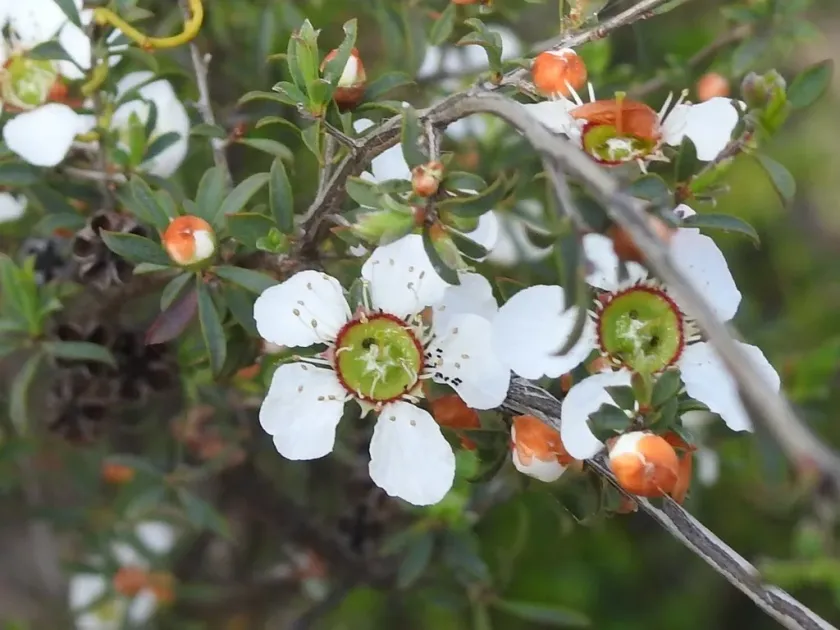
Description
Growing requirements
Gaudium myrsinoides is a member of the Myrtaceae family. This evergreen shrub is native to the diverse landscapes of Western Australia, where it thrives in specific ecological niches.
The plant requires well-draining, sandy or loamy soils to maintain root health. Excessive moisture in the root zone is the primary cause of failure in cultivation and should be strictly avoided.
It demands significant sun exposure to encourage robust growth and flowering. While it is hardy in its native habitat, it requires protection from severe frost when grown in temperate zones.
Botanically, it is recognized for its dense, leathery foliage that mimics the appearance of Myrsine species. These leaves are structurally adapted to minimize transpiration during hot periods.
In landscaping, it is utilized as an ornamental specimen or a structural element in native gardens. Its resilience to dry conditions makes it an excellent choice for low-maintenance horticultural designs.
Main diseases and pests
Root rot, specifically caused by Phytophthora species, is the most significant pathological threat to this culture. It occurs primarily in poorly drained or waterlogged growing media.
Mealybugs are common pests that colonize the axils of the leaves. They extract sap, which leads to stunted growth and the development of secondary fungal infections like sooty mold.
Spider mites represent a recurring problem in low-humidity environments, particularly within greenhouses. They cause stippling on the leaves and can lead to rapid defoliation if left untreated.
To maintain plant health, it is essential to ensure adequate airflow around the canopy. High humidity combined with poor ventilation creates an environment conducive to fungal proliferation.
Integrated pest management, including the use of horticultural oils and careful site selection, is recommended to mitigate the risks posed by these typical horticultural threats.