
Galanthus nivalis
Galanthus nivalis L.
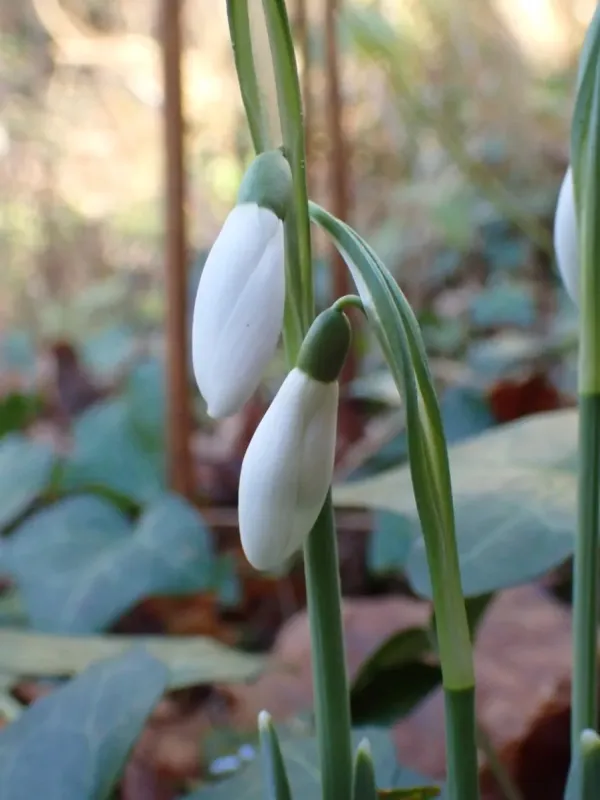
Description
Sowing dates
The planting of Galanthus nivalis bulbs is typically performed during the dormant season, which occurs shortly after the foliage fades and yellows. The most suitable time frame is between late summer and early autumn.
It is crucial to allow the bulbs sufficient time to establish roots in the soil before the onset of winter freezing, which ensures the plant's resilience for the coming spring.
The bulbs should be planted at a depth of approximately 5 to 10 centimeters, depending on the bulb size and soil density. A spacing of about 8 centimeters is optimal for healthy growth and expansion.
While seed propagation is possible, it is commercially inefficient due to the prolonged time required for the plants to reach their flowering stage, which usually takes several years.
Vegetative propagation via bulb offsets is the standard agricultural method. Dividing the clumps every 3 to 4 years helps maintain the vigor of the planting and prevents over-crowding.
Growing requirements
Galanthus nivalis is a member of the Amaryllidaceae family, native to large parts of Europe. This hardy perennial is well-adapted to cool, temperate climates and seasonal fluctuations.
The culture thrives in fertile, well-draining soils rich in organic matter. While it prefers moist environments, it is susceptible to rot if water stagnates around the bulb during its dormancy.
In terms of light, the plants prefer semi-shaded locations. They effectively exploit the period of early spring before the canopy of deciduous trees blocks the sunlight from reaching the ground.
Soil pH should ideally be neutral or slightly alkaline. Incorporating leaf mold or well-rotted compost into the soil profile improves moisture retention and soil structure significantly.
Minimal fertilizing is required, but a light application of balanced liquid fertilizer during the active growth period can boost the bulb's energy reserves for the next season.
Main diseases and pests
The primary threats to the crop include fungal diseases such as Grey Mould (Botrytis galanthina), which can rapidly spread in humid and poorly ventilated conditions, causing significant loss.
Fusarium basal rot is another persistent issue that targets the bulb's base, often leading to rapid decay. It is essential to inspect all planting material for signs of discoloration.
Pests such as the Narcissus fly and various species of nematodes can cause damage to the underground parts, often leading to stunted growth or complete collapse of the plant.
Integrated Pest Management (IPM) is essential for maintaining crop health. This includes selecting disease-resistant varieties and ensuring that fields are kept free from stagnant water.
- Remove and destroy affected bulbs immediately.
- Practice good field hygiene and crop rotation.
- Treat bulbs with suitable fungicides before storage or planting.