
Blanket flower
Gaillardia x grandiflora hort. ex Van Houtte
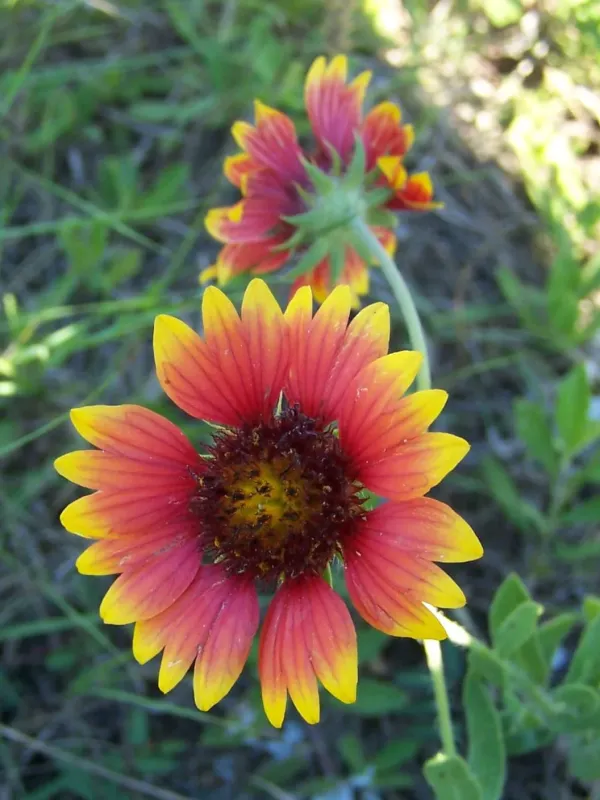
Description
Sowing dates
Gaillardia x grandiflora, commonly known as the blanket flower, is a hybrid perennial belonging to the Asteraceae family. It is a cross between Gaillardia pulchella and Gaillardia aristata, resulting in a robust, colorful plant that has become a staple in many garden designs.
The plant typically grows to a height of 30 to 80 centimeters, featuring branching stems and showy flower heads. Propagation is primarily achieved through seeds or by division of established clumps during the early spring or late autumn when the plant is dormant.
When starting seeds, it is recommended to sow them indoors 6 to 8 weeks before the last frost date. Seeds require a temperature of approximately 20 degrees Celsius for successful germination, and seedlings should be hardened off before being transplanted into their permanent garden location.
Direct sowing is also possible after the danger of frost has passed. The seeds should be covered lightly with soil, as they need a degree of light exposure to germinate effectively. Adequate spacing of 25–30 centimeters ensures proper growth and minimizes competition for nutrients.
The blanket flower is prized for its extremely long blooming season, which lasts from early summer until the first hard frosts of autumn. Its ability to produce continuous blooms makes it an ideal candidate for rock gardens, borders, and meadow-style plantings.
Growing requirements
As a sun-loving plant, Gaillardia requires full sun to thrive and produce its signature vibrant flowers. Planting it in a shaded area will lead to weak, leggy stems and a significant reduction in flower production, making it less appealing for display.
The species is highly tolerant of various soil types but requires excellent drainage. It performs best in poor to average, well-drained sandy or loamy soils. It will not survive in heavy, waterlogged clay, as this environment promotes root rot and fungal diseases.
Once established, the blanket flower is remarkably drought-tolerant. While regular watering during the first growing season helps build a strong root system, mature plants only need occasional watering during prolonged hot and dry spells.
Maintenance is minimal, consisting mainly of removing spent flower heads to encourage repeat blooming. In colder climates, applying a thin layer of mulch around the base of the plant can provide some protection against the freeze-thaw cycles of winter.
Fertilizing is generally unnecessary, as excessive nutrients can actually reduce the plant's flowering capacity and cause it to lose its compact growth habit. Keeping the area free of competing weeds allows the plant to focus its energy on bloom production.
Main diseases and pests
The most significant threats to Gaillardia are fungal diseases such as powdery mildew and root rot. These occur most frequently in humid conditions where air circulation is poor and the soil remains overly damp for long periods of time.
Proper spacing during planting is the best preventative measure against these diseases. Additionally, avoiding overhead irrigation in the evenings helps keep the foliage dry, which significantly reduces the risk of fungal spore germination and spread.
Insects like aphids and leafhoppers can occasionally target the plant, feeding on the sap of tender new growth. While rarely fatal, severe infestations can lead to stunted development, distorted foliage, and the transmission of plant viruses.
Managing pests often involves simple physical removal or the use of mild insecticidal soaps. For larger outbreaks, systemic insecticides may be employed, but it is important to apply them carefully to avoid harming beneficial pollinators attracted to the blooms.
Regular monitoring of the garden beds is crucial. Early detection of any symptoms—such as yellowing leaves or wilting—allows for swift intervention, ensuring that the health and aesthetic value of the blanket flower population are maintained throughout the season.