
Gaillardia pulchella
Gaillardia pulchella Foug.
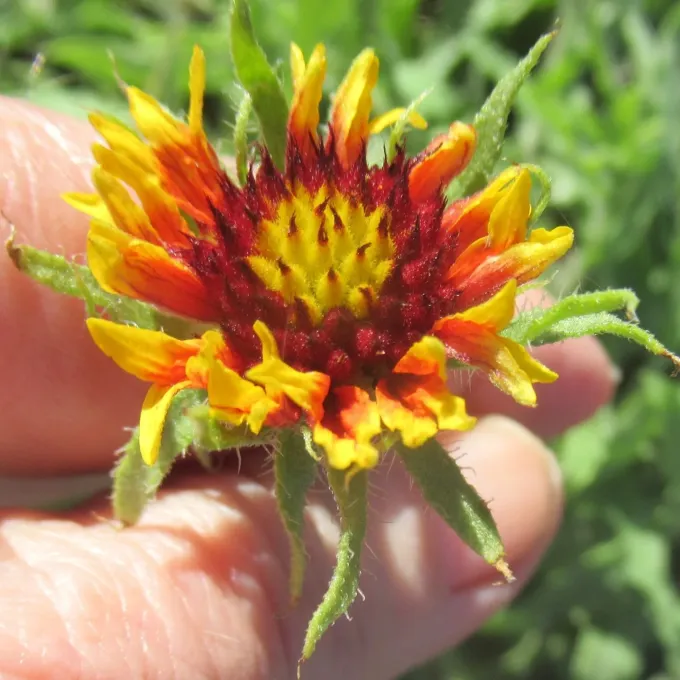
Description
Sowing dates
Gaillardia pulchella, commonly known as the firewheel or blanket flower, is an annual species belonging to the Asteraceae family. It is best started from seeds in indoor trays about 6 to 8 weeks before the last frost date.
Direct sowing in the garden is also possible in warmer regions once the soil has warmed up in late spring. The seeds require light to germinate, so they should be sown shallowly on the surface of the soil.
When starting seeds indoors, use a well-draining, sterile potting mix to prevent damping-off diseases. Keep the substrate consistently moist but not waterlogged until germination occurs, which usually takes 10 to 14 days.
Proper spacing is crucial for the health of the plants. Seedlings should be thinned or transplanted at distances of 20 to 30 cm apart to ensure good air circulation, which helps reduce the risk of fungal infections.
After transplanting, it is important to harden off the seedlings by gradually exposing them to outdoor conditions. This preparation period allows the plants to acclimatize to direct sunlight and wind, ensuring a higher survival rate.
Growing requirements
Gaillardia pulchella thrives in full sun, requiring at least 6 to 8 hours of direct light daily. This high light demand is essential for the plant to produce its signature vibrant, bicolored flowers throughout the season.
The species is highly adaptable but performs best in light, sandy, or loamy soils with excellent drainage. It is notoriously intolerant of "wet feet," meaning heavy clay soils must be amended to prevent root rot.
As a drought-tolerant plant once established, it is perfect for low-maintenance landscapes and xeriscaping. While it handles dry conditions well, supplemental irrigation during extreme heat waves can prolong the flowering period.
Fertilization should be handled with care. Gaillardia typically prefers poor to moderately fertile soil. Excess nitrogen will result in lush foliage growth at the expense of floral production, potentially leading to weaker stems.
Soil pH should be maintained in the neutral range (6.0–7.5). Keeping the surrounding area free of weeds is necessary for the first few weeks, but once mature, the dense growth habit of the plant helps suppress weed germination.
Main diseases and pests
Powdery mildew is the most common fungal issue affecting Gaillardia pulchella, especially in regions with high humidity or poor airflow. Pruning back affected parts and ensuring space between plants are the best preventative measures.
Root rot caused by overwatering or poorly drained soil can kill plants quickly. If the lower leaves start to yellow and the plant wilts despite moist soil, it is usually a sign of compromised root health.
Aphids and whiteflies are the primary insect pests that attack the foliage and flower buds. These insects suck sap from the plant, which may stunt growth and lead to the transmission of viral pathogens.
Controlling these pests can be achieved through the use of insecticidal soaps or neem oil applications. It is best to treat infestations early in the morning or late in the evening to avoid harming beneficial pollinating insects.
Maintaining a clean garden bed by removing old plant debris at the end of the season helps break the pest and disease cycle. Monitoring for signs of trouble weekly ensures that any outbreak is contained before it spreads.