
Gaillardia aristata
Gaillardia aristata Pursh
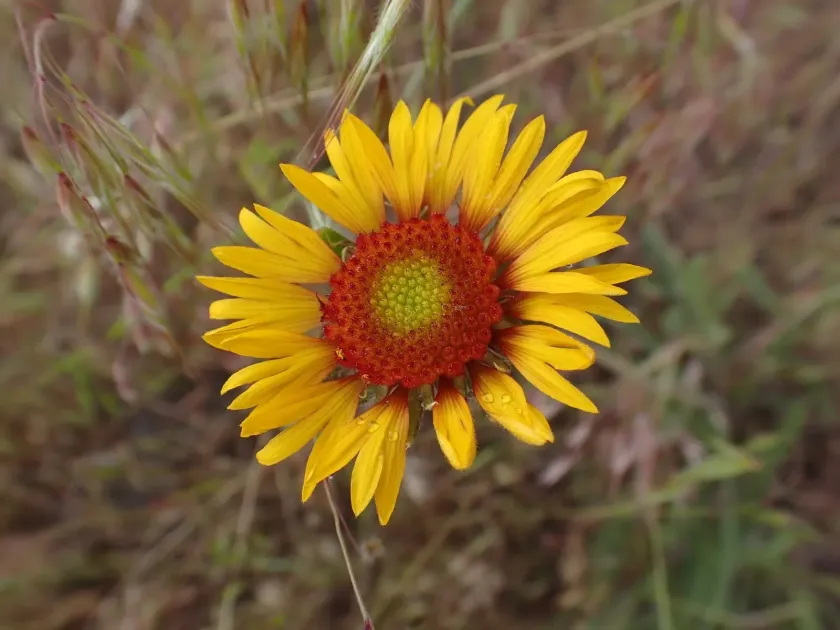
Description
Sowing dates
Gaillardia aristata, commonly known as blanket flower, belongs to the Asteraceae family. It is a hardy perennial native to the prairies of North America, prized for its vibrant colors and resilience.
Seeds can be sown directly into the garden in late spring once the danger of frost has passed. For an earlier start, seeds can be started indoors about 6 to 8 weeks before the last expected frost date.
The seeds require light to germinate, so they should be only lightly covered with soil or vermiculite. Maintaining a temperature of around 20 degrees Celsius is ideal for uniform germination of the seedlings.
When sowing, provide ample space between plants, as gaillardia prefers good airflow. Proper spacing prevents moisture accumulation around the base, which is crucial for the health of the perennial.
Once established, the seedlings are quite robust. They adapt well to transplantation if done carefully, although direct sowing is often preferred to avoid disturbing the sensitive taproot of the young plants.
Growing requirements
Gaillardia aristata thrives in full sun exposure. It is a quintessential sun-loving plant that produces more abundant blooms when receiving at least six to eight hours of direct sunlight daily.
Soil requirements are relatively simple: the plant prefers well-drained, sandy, or rocky soil. It struggles in heavy, waterlogged clay, which can lead to rapid root rot during the dormant season.
This species is exceptionally drought-tolerant. Once the root system is fully established, it requires very little supplemental irrigation, making it an excellent choice for low-maintenance landscaping.
Fertilization should be kept to a minimum. Over-fertilizing with nitrogen-rich products can lead to excessive foliage growth at the expense of flower production, making the plant weak and floppy.
The plant is hardy across various zones and can withstand significant temperature fluctuations. In very cold climates, a light layer of mulch can help protect the crown during the harsh winter months.
Main diseases and pests
The most common disease affecting blanket flower is powdery mildew, which appears as a dusty white substance on the foliage. It is generally caused by high humidity and poor air circulation.
Leaf spot and various forms of root rot can occur if the soil remains consistently wet. Improving drainage and ensuring the soil dries out between watering intervals is the best preventative strategy.
Pests such as aphids and leafhoppers can occasionally feed on the plant sap. While usually not fatal, heavy infestations can weaken the plant and transmit viruses that distort the flower shape.
Regular monitoring of the underside of leaves can help catch insect populations early. If necessary, horticultural soaps or mild insecticides can be applied to manage the pest pressure effectively.
To keep the plants healthy, it is advised to remove spent blooms throughout the summer. This not only encourages a second flush of flowers but also keeps the plant looking tidy and prevents fungal spores from settling.