
Dense-flowered fumitory
Fumaria densiflora DC.
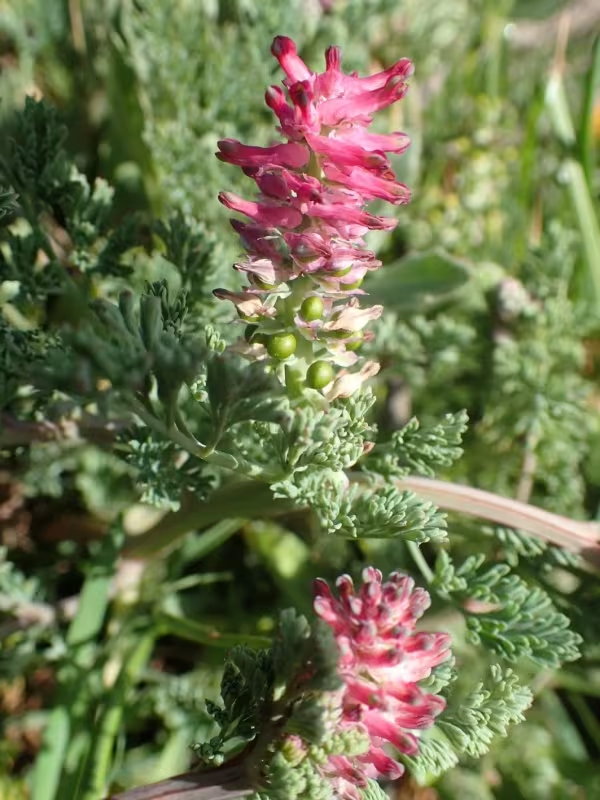
Description
Sowing dates
Dense-flowered fumitory is typically an annual plant that germinates early in the spring, often when soil temperatures range between 2 and 4 degrees Celsius.
The optimal sowing period occurs between March and April, allowing the plant to establish its root system before the onset of high summer temperatures.
Moisture availability in the topsoil is the most critical factor for successful germination and early growth of the seedlings.
When grown for pharmaceutical use, it is recommended to sow seeds in early spring or late autumn to utilize seasonal soil moisture effectively.
Proper seed spacing and shallow planting depths are essential to ensure that light reaches the seeds, which is necessary for uniform emergence.
Growing requirements
This species belongs to the Papaveraceae family and thrives in open, sunny locations with well-drained, nutrient-rich, and slightly alkaline soil.
The plant is highly sensitive to shading, which significantly reduces biomass production and flowering intensity in commercial settings.
It prefers a temperate climate and requires stable moisture levels, as prolonged drought periods can force the plant into premature maturity.
While it tolerates light soil compaction, it struggles in waterlogged conditions, which can quickly lead to root decay and nutrient uptake issues.
Maintaining proper soil structure through organic amendments is beneficial, but excessive nitrogen should be avoided to promote balanced growth.
Main diseases and pests
Powdery mildew represents a major threat, particularly in humid conditions with poor air circulation, manifesting as white fungal patches on leaves.
Aphids are the primary pests that damage the young, tender shoots by draining sap, which often leads to stunted growth and leaf curling.
Spider mites may infest the crop during hot and dry spells, causing the foliage to yellow and die prematurely if not controlled.
Root rot pathogens can be problematic if drainage is poor, especially during the early stages of plant development after germination.
Effective management includes using preventive fungicides and ensuring adequate spacing between plants to maximize airflow and minimize disease pressure.
Harvesting
Harvesting for medicinal purposes occurs during the peak flowering stage, which ensures the highest concentration of phytochemicals in the aerial parts.
The plants are harvested by cutting the stems approximately 5 to 10 centimeters above the ground, allowing for cleaner raw material collection.
Immediate drying is required post-harvest to maintain quality and prevent the degradation of essential chemical compounds by heat or humidity.
Drying should be performed at controlled temperatures not exceeding 40 degrees Celsius in well-ventilated areas or specialized drying chambers.
The final product must be stored in airtight containers away from direct sunlight to preserve its therapeutic efficacy for the long term.