
Bastard's Fumitory
Fumaria bastardii Boreau
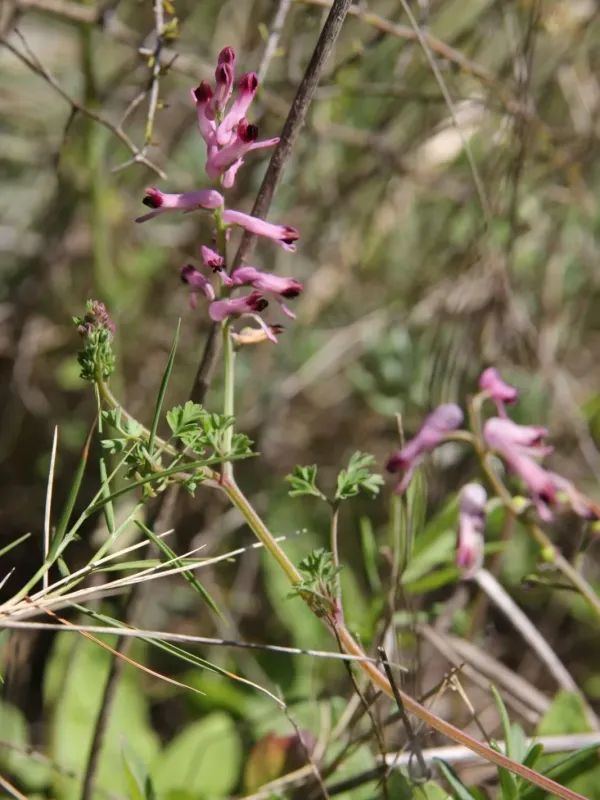
Description
Growing requirements
Bastard's Fumitory (Fumaria bastardii) is an annual herbaceous plant belonging to the Papaveraceae family. While it is frequently found growing wild as a field weed, it possesses specific biological traits that make it a subject of study in botanical and pharmacological research.
The plant originates from the Western European regions and is well-adapted to maritime climates. It prefers sunny locations and thrives in well-drained, loose, and slightly acidic soils, often colonizing disturbed ground in agricultural landscapes.
Climate requirements include protection from extreme frosts, as the species is not winter-hardy in severe conditions. It thrives in temperate zones where spring and early summer rainfall provides sufficient moisture for rapid vegetative development.
Regarding agrotechnology, the species requires minimal soil cultivation but benefits from clear spacing to maximize light interception. It is highly sensitive to competition from dense canopy crops, which can significantly limit its growth performance.
Economically, the plant is primarily researched for its alkaloid content. The potential use of the herb in pharmaceutical preparations necessitates controlled cultivation practices to ensure the consistency of secondary metabolites, which are essential for its therapeutic properties.
Main diseases and pests
Powdery mildew is a common fungal threat to Fumaria bastardii, especially in conditions of high humidity and poor air circulation. This disease often leads to premature leaf senescence, negatively impacting the total biomass harvest.
Pest pressure is frequently driven by aphid infestations, which exploit the nutrient-rich sap of the young inflorescences. Sustained aphid attacks can result in stunted growth and the transmission of viral diseases within the population.
To maintain plant health, integrated pest management strategies should focus on environmental control rather than aggressive chemical intervention. Ensuring adequate drainage is a fundamental step in preventing root rot development.
Monitoring for lepidopteran larvae is also advised during the vegetative phase, as these pests can cause significant defoliation, reducing the overall vigor of the crop and its market potential for processing.
Sanitation practices, such as the removal of debris post-harvest, are critical to reduce the inoculum levels of soil-borne pathogens that might overwinter and threaten the succeeding year's crop cycle.