
French tamarisk
Tamarix gallica L.
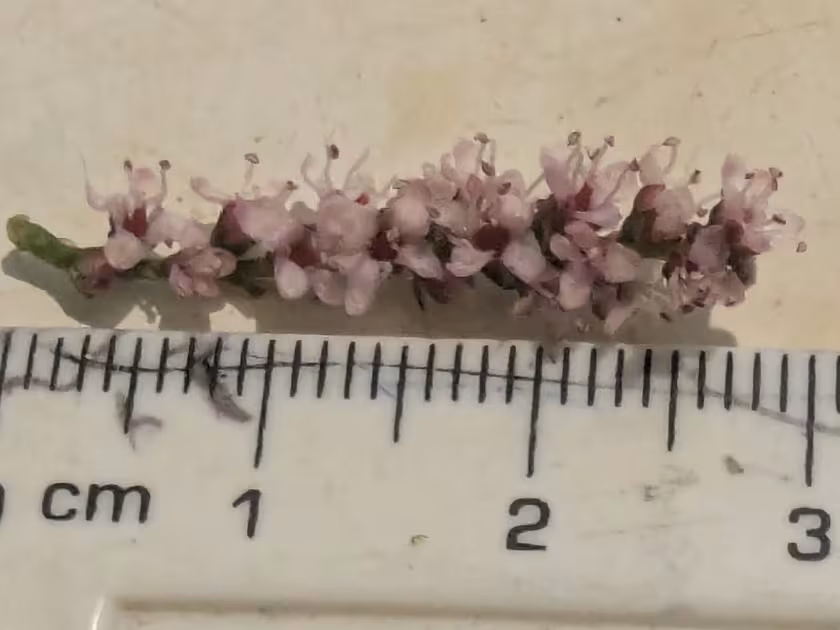
Description
Sowing dates
Propagation of French tamarisk is primarily achieved through vegetative methods, as seeds have a very short lifespan and low germination rates under uncontrolled conditions.
Hardwood cuttings are the most reliable method for reproduction. They should be taken in late winter or early spring before the buds break dormancy to ensure high energy reserves in the wood.
The cuttings are planted directly into a well-drained, sandy substrate. Burying the cutting deep, with only 2–3 nodes above the soil surface, promotes better root development along the buried portion of the stem.
Adequate spacing is crucial to prevent competition for sunlight. For a hedge, plants can be spaced 0.5 to 1 meter apart, whereas specimens for landscaping should have at least 2 meters of clearance.
Once planted, keeping the soil consistently moist for the first few weeks is essential for successful rooting, after which the plant becomes exceptionally self-sufficient.
Growing requirements
The French tamarisk, or Tamarix gallica, belongs to the Tamaricaceae family. It is a deciduous shrub characterized by its feathery, scale-like foliage and spikes of small pink flowers.
This species is highly photophilous. It requires full sun exposure throughout the day to maintain its structural integrity and ensure vigorous blooming during the summer months.
One of the most notable features of this crop is its salt tolerance. It can thrive in saline soils where many other plants fail, making it a valuable tool for coastal stabilization.
The plant is highly adaptable to soil type. It grows effectively in poor, rocky, and sandy soils, utilizing a deep taproot system to access moisture at lower soil depths.
While native to the Mediterranean basin, it exhibits good cold hardiness, although severe winter frosts may kill back the tips of tender annual growth in colder climates.
Main diseases and pests
Root rot is a primary concern in waterlogged soils. Ensuring excellent drainage is the most effective management strategy against moisture-related pathogens in this species.
Aphids are the most common insect pests, often clustering on new growth and flower spikes. Regular monitoring during the spring flush is necessary for early detection and control.
Powdery mildew can affect the foliage in areas with poor air circulation and high humidity, leading to stunted growth and premature leaf drop in severe cases.
Spider mites may become a problem during hot, dry spells. These pests damage the foliage, causing a chlorotic appearance that can be managed through improved hydration or acaricides.
Pruning is not only for aesthetics but also for health; by removing dense, crossing branches, the gardener improves airflow, significantly reducing the risk of fungal infections.