
Field brome
Bromus arvensis L.
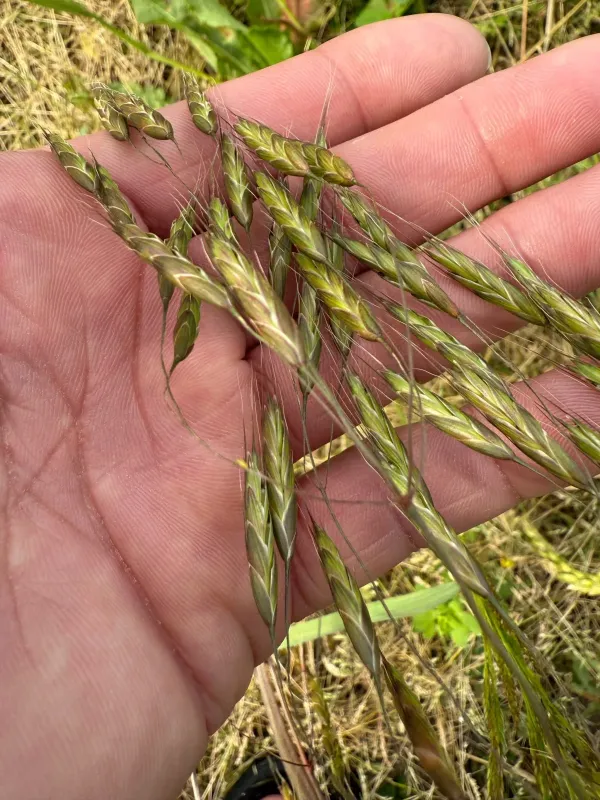
Description
Sowing dates
Field brome (Bromus arvensis L.) is a member of the Poaceae family, widely recognized for its adaptability in forage production systems.
The optimal sowing time is during the early spring or late autumn when soil temperatures are conducive to rapid germination and root development.
For high-density stands, seeds should be drilled at a depth of 2 to 3 centimeters, ensuring they are well-covered with soil for effective moisture absorption.
Seed rates typically range from 12 to 18 kilograms per hectare, depending on local conditions and the specific intended use of the forage stand.
Proper field preparation, including cultivation and leveling, is essential to achieve a uniform germination rate across the entire planting area.
Growing requirements
Field brome thrives in a variety of soil types, ranging from sandy loams to heavier silty soils, provided there is adequate drainage present.
The species shows remarkable cold tolerance, making it a reliable choice for regions with long, harsh winters where other forage grasses might struggle.
While it is relatively drought-tolerant, optimal growth is observed in areas with moderate rainfall, especially during the peak spring growing season.
The plant performs best in neutral to slightly acidic soils, where nutrient availability is typically balanced for vigorous development.
Regular fertilization with balanced nitrogen-phosphorus-potassium (NPK) inputs significantly improves biomass production and overall stand longevity.
Yield
This crop is primarily harvested for high-quality hay, which is prized by farmers for its palatability and nutritional value for cattle and sheep.
Field brome is capable of producing significant biomass, often yielding between 5 and 8 tons of dry matter per hectare under intensive management.
Because of its rapid regrowth rate, farmers can often harvest multiple cuts in a single season if environmental conditions are favorable.
As a conservation tool, it helps improve soil structure and minimizes erosion, making it an excellent candidate for inclusion in sustainable crop rotations.
The nutritional profile includes high levels of crude protein and digestible fiber, providing a balanced energy source for livestock throughout the year.
Main diseases and pests
Fungal diseases like rust and powdery mildew are the most common threats to field brome, especially during seasons with high humidity and limited air circulation.
Insect pests, such as aphids and grass-feeding flies, can cause significant damage to young plants, potentially stunting their overall growth and development.
Preventative measures, such as selecting resistant cultivars and maintaining adequate plant spacing, are crucial for long-term health management.
If infestations reach economic thresholds, application of approved agricultural pesticides or biological control agents may be necessary.
Field monitoring during the spring and summer months allows for the early detection and management of potential pest and disease outbreaks.
Harvesting
The ideal window for harvesting field brome for hay is during the early heading stage, before the plant allocates energy to seed formation.
Using sickle-bar or disc mowers ensures clean cuts, which allows the plant to recover quickly and begin regrowth for the next harvest cycle.
Once mowed, the forage should be tedded to improve aeration, ensuring that it reaches the optimal moisture content for baling without risking mold.
For seed production, harvesting should be delayed until the seeds are fully mature to maximize potential yield and ensure high germination rates for future seasons.
Proper storage of the harvested forage is critical, as keeping the hay dry and well-ventilated is necessary to maintain its high nutritional quality.