
Faucaria tigrina
Faucaria tigrina
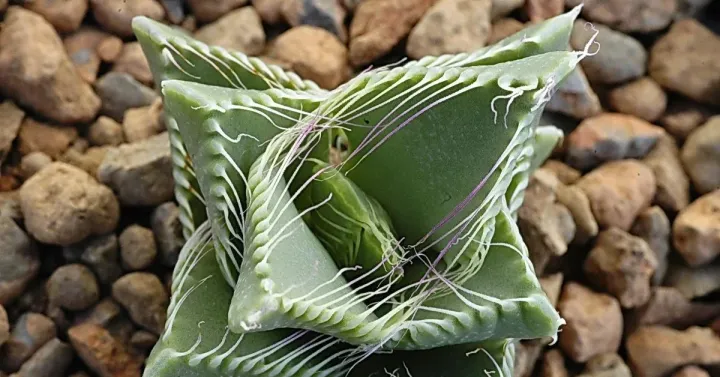
Description
Sowing dates
Faucaria tigrina, a member of the Aizoaceae family, is typically propagated from seeds. The ideal time for sowing is during the early spring when light levels increase, providing the necessary energy for successful germination.
Sowing should be performed in a well-draining mineral-based substrate. The seeds are small and should be scattered over the surface of the moist soil, barely covered with a fine layer of grit or sand to maintain high humidity around the seed coat.
Cover the container with plastic or glass to create a stable, humid greenhouse environment. Maintain temperatures between 20°C and 25°C. Once the seedlings emerge, it is essential to gradually introduce ventilation to avoid damping off.
Seedlings remain delicate for several months. They should be protected from direct intense sunlight until they develop their first set of characteristic serrated leaves. Transplanting into individual pots is performed once the young plants are robust enough to handle the stress.
Vegetative propagation is also possible through division. Mature clumps can be separated during the repotting process. Ensure that each division has a portion of the root system and allow the cuts to dry for several days before potting into dry soil.
Growing requirements
This succulent thrives in high light conditions. To maintain its compact, attractive rosette shape and the unique white spotting that gives it the name "tiger jaws," it requires at least several hours of direct sunlight every day.
The potting medium must be inorganic and extremely porous. A blend consisting of coarse sand, pumice, or perlite mixed with a small amount of potting soil is ideal. The mix must allow water to pass through almost instantly to prevent root rot.
Watering requires a seasonal approach. During the active growth period in spring and summer, water deeply but allow the soil to dry out completely between sessions. During the winter dormancy period, watering should be minimal to non-existent.
Faucaria tigrina prefers warm summer temperatures ranging from 20°C to 30°C. During winter, it requires a cooling-down period with temperatures between 10°C and 12°C to ensure proper metabolic activity and potential flowering.
Humidity should be kept low. Excessive atmospheric moisture, particularly in poor ventilation conditions, is detrimental. Keep the plant in an airy space to prevent fungal pathogens from colonizing the succulent leaves.
Main diseases and pests
Root rot is the most common threat to Faucaria tigrina, usually caused by overwatering or soil that retains moisture for too long. If the base of the plant appears mushy or discolored, urgent intervention, such as repotting, is required.
Mealybugs are the primary pest concern. These white, cottony insects often hide deep between the serrated leaves, making them difficult to detect early. Systemic insecticides are recommended for effective control in succulent collections.
Spider mites can also become an issue, especially in dry, stagnant air. Their presence is indicated by small yellow stippling on the leaves and thin webbing between the leaf margins, which can severely damage the plant's aesthetic appeal.
Fungal leaf spot diseases may occur if the plant is kept in humid conditions with inadequate airflow. Proper spacing between plants and regular ventilation are key to maintaining the plant's health and preventing the spread of spores.
- Root rot due to stagnant water.
- Mealybug infestations in leaf crevices.
- Spider mite damage in dry conditions.
- Fungal leaf spots from lack of ventilation.