
Calliandra eriophylla
Calliandra eriophylla Benth.
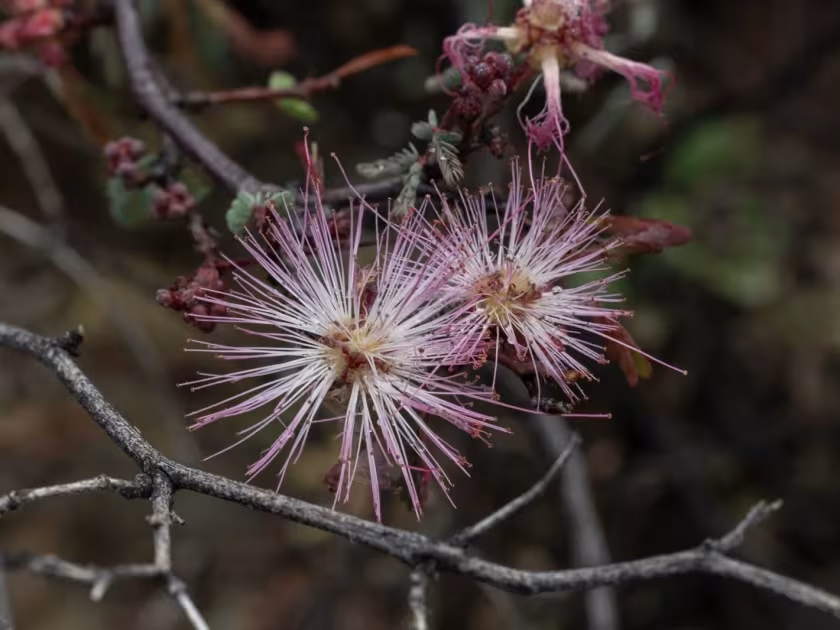
Description
Sowing dates
Calliandra eriophylla, commonly known as the Pink Fairy Duster, belongs to the Fabaceae family. This woody shrub is highly valued for its drought tolerance and unique aesthetic appearance.
Propagation is typically achieved through seeds, which require mechanical scarification of the hard outer coat to enhance germination success before being placed in a warm, moist substrate.
Seedlings are best raised in professional greenhouses with controlled temperature settings, generally between 20°C and 25°C, ensuring high levels of light exposure for optimal development.
Vegetative propagation via semi-hardwood cuttings is another viable method. These cuttings should be taken during the growth phase and treated with rooting hormones to establish a healthy root system.
Transplanting into the field should be carefully timed to avoid cold snaps, as young specimens are significantly less tolerant of frost than established, mature woody plants.
Growing requirements
Originating from the arid regions of the Southwestern United States and Mexico, this plant is perfectly adapted to desert environments and xeriscape gardening practices.
The primary requirement for successful growth is full sun exposure. The plant thrives in direct light, which is essential for blooming and maintaining the characteristic form of the shrub.
Well-draining soil is critical; the species is sensitive to root rot if grown in heavy, waterlogged clay soils. Sandy or rocky soil substrates with moderate alkalinity are ideal.
Water requirements are minimal once the plant is established. It is an extremely drought-tolerant species, making it an excellent candidate for sustainable landscaping and low-maintenance agriculture.
The plant acts as a nitrogen-fixer in the soil, contributing to soil health by hosting beneficial bacteria that improve nutrient cycling in impoverished desert soils.
Main diseases and pests
The most significant threat to Calliandra eriophylla is over-irrigation. Excessive moisture in the root zone frequently leads to fungal infections and systemic root rot, often resulting in plant death.
Pest issues include spider mites and mealybugs, which are particularly troublesome during the dry season. These pests cluster on the foliage and can significantly reduce the vitality of the plant.
Control measures include the application of horticultural soaps or specific acaricides when infestations are identified. Preventive measures such as adequate spacing ensure proper airflow.
During the dormant season, inspect the woody stems for signs of dieback or unusual growths that could indicate deeper underlying fungal or bacterial issues requiring pruning.
Finally, browsing animals can sometimes pose a threat to young shoots, as the plant is nutritious and often sought after by wildlife in arid environments with limited forage.