
Hybrid Calliandra
Calliandra eriophylla x Calliandra californica
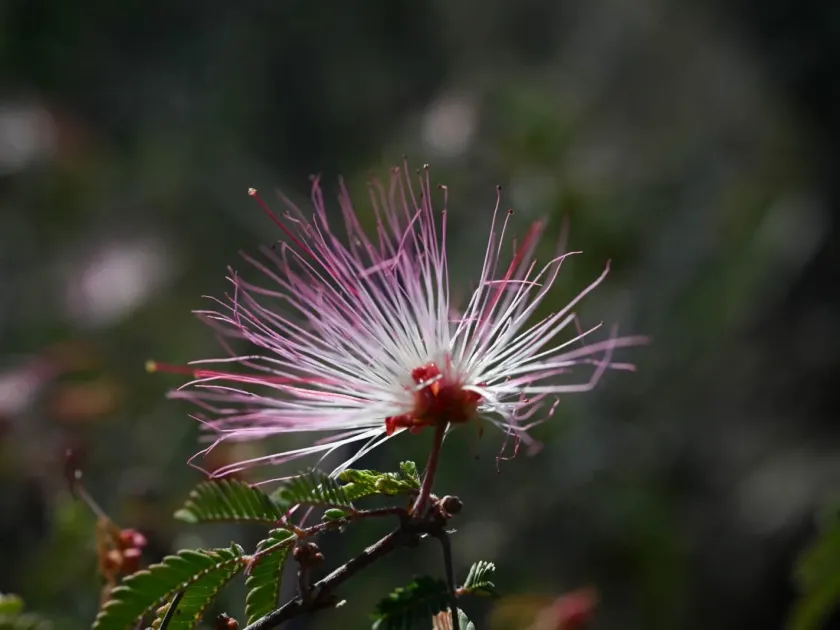
Description
Growing requirements
Hybrid Calliandra (Calliandra eriophylla x C. californica) is a distinct ornamental shrub belonging to the Fabaceae family. This hybrid is highly valued for its striking flower structure and adaptability to arid environmental conditions.
The crop thrives in well-draining soil types, ranging from sandy to slightly loamy textures. Good aeration of the substrate is vital for preventing root damage, as the plant does not tolerate waterlogging or stagnant moisture in the root zone.
Exposure to full sun is critical for the vigorous growth and abundant flowering of this species. In temperate climates, the hybrid requires protection from freezing temperatures and cold, drying winds, which can damage its delicate foliage.
While the plant exhibits significant drought tolerance once established, regular irrigation during the peak growing season is recommended. Maintaining moderate soil moisture supports consistent metabolic processes and improves the overall appearance of the shrub.
Fertilization with balanced NPK formulas during the spring encourages robust vegetative growth. Providing the plant with essential nutrients ensures a dense canopy and a more prolonged flowering period throughout the warm months.
Main diseases and pests
Fungal pathogens are the primary threat to this crop, particularly in environments with high humidity and poor air circulation. Implementing adequate spacing between plants is an essential strategy to reduce the risk of disease spread.
Spider mites and mealybugs are the most common pests associated with this plant. These pests tend to proliferate in hot, dry conditions, often settling on the undersides of leaves, which leads to stunted growth if left untreated.
Effective pest management involves using targeted acaricides and systemic insecticides. Regular monitoring of the plant foliage allows growers to detect infestations early and apply localized treatments before they affect the entire shrub.
Root rot, caused by overwatering, remains a serious concern for growers. Ensuring the soil drains rapidly and avoiding excess moisture during dormant periods are critical practices for maintaining plant health and longevity.
General hygiene, such as removing fallen leaves and pruning dead wood, helps keep the environment around the plant unfavorable for pests. Maintaining a healthy plant through proper light and nutrition significantly increases its resistance to common biotic stresses.