
Mexican beech
Fagus grandifolia Ehrh. subsp. mexicana (Martínez) A. E. Murray
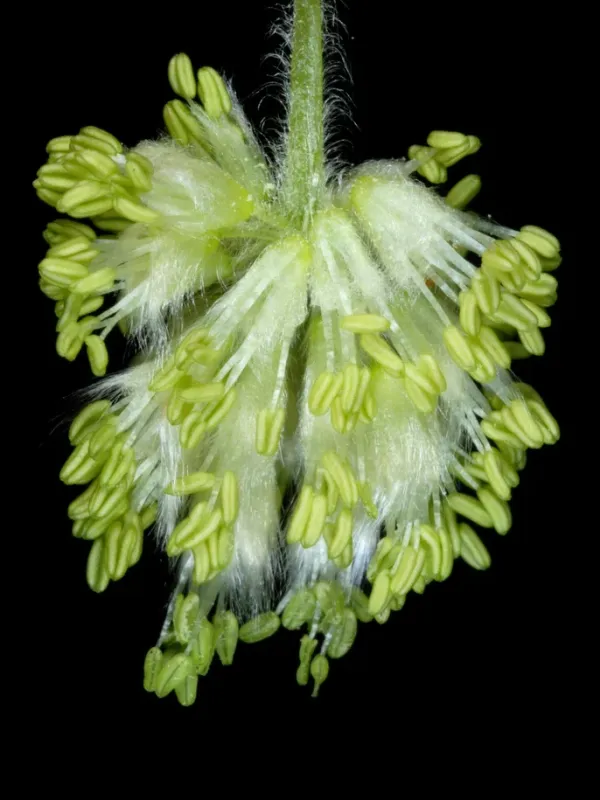
Description
Growing requirements
Mexican beech (Fagus grandifolia subsp. mexicana) is a distinct subspecies belonging to the Fagaceae family. It is a rare, relic tree species native to the cloud forests of eastern Mexico, thriving in high-altitude mountain environments.
The climate requirements for this species are specific, necessitating cool temperatures and consistent moisture provided by mountain mists. It typically grows at elevations ranging from 1,500 to 2,500 meters, where the microclimate remains stable year-round.
For optimal growth, the species requires deep, well-drained, and nutrient-rich soils with a slightly acidic to neutral pH. It is highly sensitive to soil compaction and waterlogging, which can cause significant stress to its root system.
This tree is characterized by a slow growth rate, especially in its juvenile stage. Proper management involves careful site selection to provide adequate protection from harsh winds and intense direct sunlight during the early years.
Agricultural practices for this culture emphasize the preservation of forest integrity. In nursery settings, it is crucial to use high-quality organic substrates and ensure that young plants have enough space to develop their characteristic broad canopy.
Main diseases and pests
The primary threat to the Mexican beech is the loss of its unique habitat due to climate change. As cloud levels shift higher, the trees struggle to access the humidity essential for their physiological processes.
Insects, particularly those that target the bark and inner wood, pose a significant risk to the longevity of the trees. Outbreaks of wood-boring beetles can destroy stands if the health of the forest is compromised by drought.
Fungal infections, such as root rot or bark cankers, occur frequently in trees stressed by environmental fluctuations. These pathogens often enter through wounds caused by animals or improper human activity in the vicinity.
Cattle grazing within the habitat fragments is a major destructive factor for the natural regeneration of the species. Large animals trample the saplings and strip the bark, preventing the next generation of trees from maturing.
To mitigate these threats, conservation strategies focus on protecting the surrounding biodiversity and implementing buffer zones. Monitoring programs are essential to detect early signs of infestation and prevent large-scale damage to the stands.