
American beech
Fagus grandifolia Ehrh.
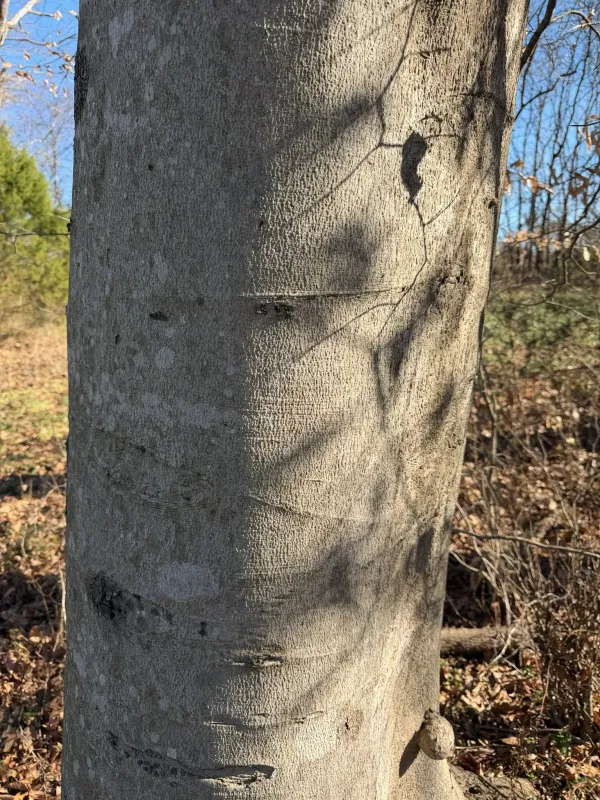
Description
Sowing dates
American beech (Fagus grandifolia) seeds are typically sown in the autumn shortly after harvest to allow for natural stratification throughout the winter. If spring sowing is planned, seeds must undergo a cold stratification period of 3 to 4 months at low temperatures to break dormancy.
Seeds should be planted at a depth of 3 to 5 centimeters. Proper soil contact and moisture levels are critical to ensure successful germination. Overly wet conditions must be avoided during this phase, as they can cause seed decay or fungal infections.
In nursery settings, seedlings require shade protection during their first year of life to avoid heat stress. As the plants mature, they can be gradually exposed to more light, but their shade-tolerant nature makes them ideal for managed forest regeneration.
Transplanting is best performed in early spring before the buds break. Given the species' taproot system, extreme care must be taken to maintain the root ball during the process, as this minimizes transplant shock and promotes faster establishment.
Growth rates for American beech are relatively slow compared to other hardwood species. Consistent maintenance, including weed control and maintaining soil moisture, is essential to help young trees reach the canopy level where they can continue to develop independently.
Growing requirements
The American beech is a member of the Fagaceae family and flourishes in regions with consistent rainfall and high humidity. It prefers deep, fertile, and well-drained loamy soils, showing a strong aversion to sites with poor drainage or stagnant water.
This species is highly shade-tolerant, making it a dominant component of mature deciduous forests. However, to maximize its growth and timber quality, it requires adequate spacing and balanced light exposure as it enters the pole stage of development.
The tree is sensitive to soil compaction due to its shallow, widespread lateral roots. Improving soil structure and preventing traffic in the root zone are crucial management steps. It generally prefers slightly acidic to neutral soil pH levels.
Climate adaptability is limited by its sensitivity to extreme winter cold and spring frosts that can damage developing foliage. It performs best in temperate zones where climatic conditions remain relatively stable throughout the growing season.
- Requirement for well-drained, nutrient-rich soil substrates.
- Avoidance of alkaline soils that cause iron deficiency.
- High tolerance for low light environments in forest understories.
Yield
The primary economic output of Fagus grandifolia is its high-quality hardwood. The timber is dense, strong, and features an attractive light color, making it a preferred choice for furniture, high-end flooring, and specialized tool handles.
Harvest cycles are lengthy, often spanning many decades in sustainable forestry. Selective logging practices are frequently utilized to maintain forest health while harvesting mature specimens that have reached peak market value.
Beech nuts serve as a vital food source for wildlife, particularly small mammals and birds. While not typically harvested for commercial human consumption, they represent a significant ecological asset in forest resource management.
The American beech also provides substantial environmental services, including effective carbon sequestration and soil stabilization. Its leaf litter decomposes efficiently, contributing to the development of healthy, nutrient-rich forest floors.
Commercial timber production relies on achieving consistent tree growth through thinning and protection against pathogens. By focusing on quality over volume, foresters ensure the long-term viability and profitability of beech stands.
Main diseases and pests
Beech bark disease is the most significant threat to the species. It is caused by the interaction between the beech scale insect (Cryptococcus fagisuga) and certain Nectria fungi, which results in necrotic lesions and significant tree mortality.
Root rot, often caused by Armillaria species, is a common issue in poorly drained sites or stressed trees. Maintaining the overall health of the forest stand is the best defense, as strong trees are naturally more resilient to fungal pathogens.
Insects like the beech blight aphid can cause aesthetic damage, though they are rarely fatal to healthy trees. However, they can serve as indicators of stress, signaling to the agronomist or forester that the stand requires closer observation.
Protection against rodent damage in the juvenile stage is vital, as small mammals often girdle young saplings during winter months. Physical barriers or repellents can significantly reduce seedling mortality in reforested areas.
Early detection of disease symptoms is essential for effective management. If beech bark disease is identified, affected trees should be removed promptly to reduce the scale insect population and prevent the further spread of the associated fungal pathogens.