
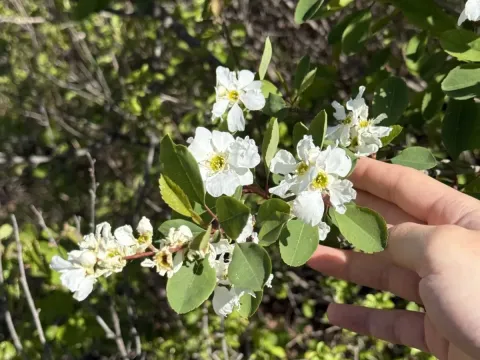
Exochorda
Exochorda Lindl.
Exochorda, commonly known as the pearl bush, is a genus of deciduous shrubs belonging to the Rosaceae family. Native to regions in East and Central Asia, this plant is highly prized in horticulture for its spectacular, pure white spring blossoms that emerge from unique, pearl-like flower buds.
What the section contains

Exochorda
The shrub thrives in temperate climates and requires a location with full sun to partial shade to achieve the best flowering performance. It is essential to select a planting site that is sheltered from strong, drying winds, which can damage the delicate branches and shorten the lifespan of the flowers.
Regarding soil requirements, Exochorda prefers fertile, moist, and well-drained soil with a neutral to slightly acidic pH. The plant is sensitive to waterlogged conditions, so incorporating organic matter and providing a layer of gravel or sand at the bottom of the planting pit is recommended for improved drainage.
Agronomic management involves consistent watering during the growing season, especially when buds are developing. Pruning is a critical maintenance task; it should be performed immediately after the flowering period ends to remove spent blooms and shape the shrub, encouraging vigorous new growth for the next year.
In terms of хозяйственное usage, Exochorda is primarily an ornamental crop. It is frequently utilized in landscape architecture to serve as a focal point in borders, hedges, or as a standalone specimen in gardens where its unique structure and abundant spring blooms can be fully appreciated by observers.
Exochorda generally demonstrates strong resistance to many common garden pests and diseases. However, in poorly ventilated environments or during periods of excessive humidity, powdery mildew may appear on the foliage. Maintaining adequate spacing between plants is the most effective preventative measure against such issues.
Pest problems are usually minor but can include aphids or spider mites, which may infest the tender new growth during hot and dry spells. Effective control can be achieved through regular monitoring and the use of targeted insecticides or horticultural oils to protect the plant's aesthetic and biological health.