
Pearlbush
Exochorda racemosa (Lindl.) Rehder
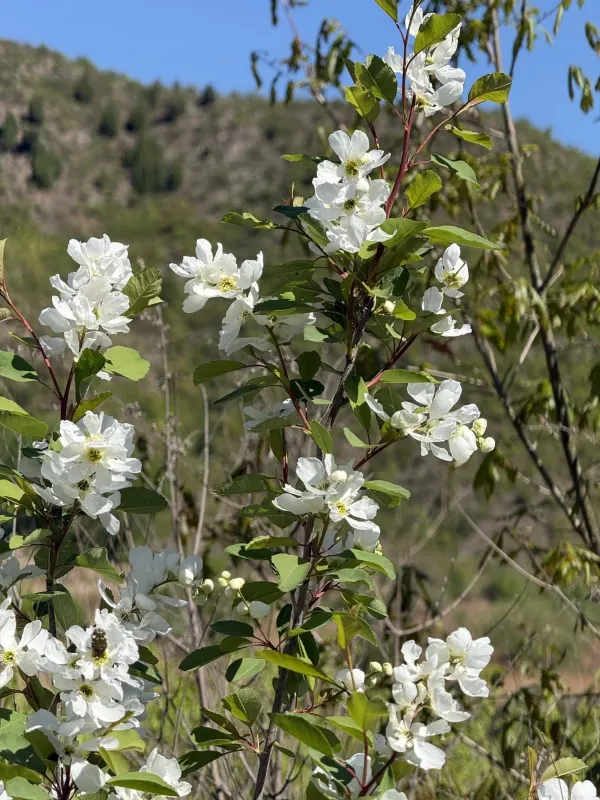
Description
Growing requirements
The Pearlbush (Exochorda racemosa) is a highly ornamental deciduous shrub belonging to the Rosaceae family. Native to eastern China, it has become a popular choice for gardens due to its spectacular, snow-white floral displays in spring.
This species thrives in locations with full sun to partial shade. While it prefers bright light for optimal blooming, afternoon shade is beneficial in regions with hot, intense summer climates to prevent leaf scorch.
Pearlbush requires well-drained, fertile soil that is slightly acidic to neutral. It is essential to avoid heavy, waterlogged soils, which can lead to root rot; amending clay soils with organic matter and drainage materials is a standard practice.
Regular watering is necessary during the establishment phase and throughout dry summer months to maintain soil moisture. The plant is relatively hardy, though it benefits from shelter against harsh, drying winter winds in colder regions.
Maintenance includes light pruning immediately after the flowering period to remove spent blooms and shape the shrub. Applying a layer of mulch around the root zone helps regulate soil temperature and retain moisture throughout the growing season.
Main diseases and pests
Pearlbush is generally resilient, but poor air circulation can predispose it to fungal infections such as powdery mildew. Maintaining adequate spacing between plants and regular thinning of the branches helps improve airflow.
Insect pests, including aphids and spider mites, may infest the foliage during periods of environmental stress, particularly heatwaves. Regular monitoring during the active growth phase is critical for early detection.
In cases of infestation, applying suitable horticultural oils or systemic insecticides provides effective control. It is recommended to treat the plant at the first sign of pests to minimize damage to the foliage.
Iron chlorosis, characterized by yellowing leaves with green veins, may occur if the soil pH is too high, preventing the absorption of essential micronutrients. Correcting the soil chemistry is the primary method for prevention.
Vigilance is required to prevent mechanical damage to the stems, as wounds can serve as entry points for pathogens. Proper tool hygiene during pruning sessions prevents the spread of diseases between individual plants.