
Eurya nitida
Eurya nitida
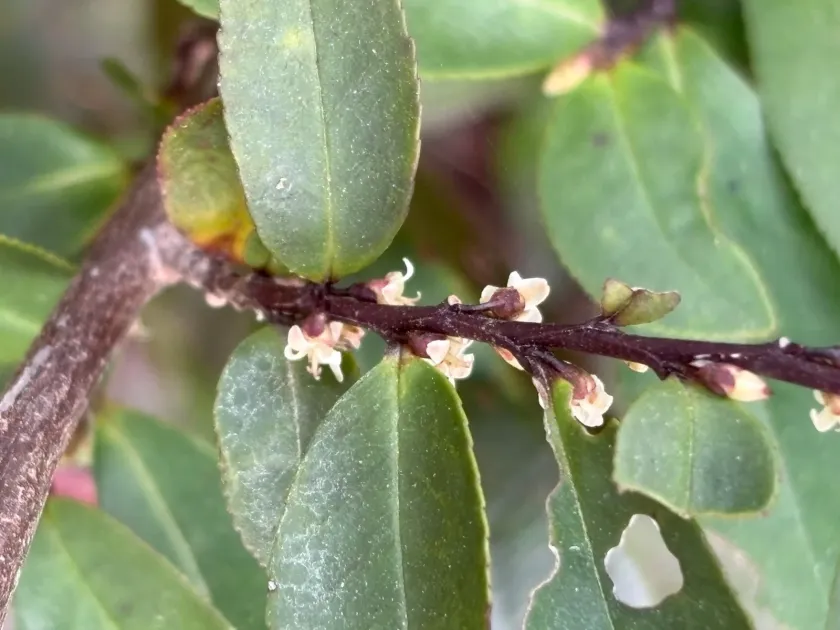
Description
Growing requirements
Eurya nitida is a prominent evergreen shrub belonging to the Pentaphylacaceae family. Native to East and Southeast Asia, this plant thrives in subtropical climates, often appearing in forest understories where it benefits from partial shade and consistent moisture.
The botanical structure of this species is characterized by its glossy, leathery leaves and compact growth habit. The shrub can reach a modest height, making it an excellent candidate for formal landscape design and garden architecture in regions with mild winters.
Successful cultivation requires specific environmental conditions. It prefers acidic, well-draining soils rich in organic matter. Soil moisture management is critical, as the roots are highly susceptible to rot if water is allowed to stagnate in the substrate for extended periods.
Regarding climate, Eurya nitida performs best in environments where temperature fluctuations are minimal. It requires protection from harsh winds and direct afternoon sun, which can cause leaf scorch in sensitive young plants during the peak of the growing season.
In terms of usage, this culture is highly valued for creating dense, evergreen hedges and borders. Its ability to tolerate regular shearing makes it a versatile tool for gardeners looking to create clean, structured designs that maintain their visual appeal throughout the entire year.
Main diseases and pests
One of the primary threats to Eurya nitida is powdery mildew, which often develops in stagnant air conditions or high humidity. Promoting good airflow through selective pruning is the most effective preventative measure against fungal outbreaks.
Pests such as spider mites and scale insects are common in many cultivation zones. These organisms feed on plant sap, leading to stunted growth and leaf discoloration. Integrated pest management using insecticidal soaps or systemic treatments is recommended.
Root rot is a major physiological threat caused by overwatering or poor soil drainage. If the soil remains saturated, the roots lose access to oxygen, which eventually leads to the decline of the entire shrub, often showing symptoms of wilting despite moist soil.
Chlorosis, or yellowing of the foliage, usually indicates an issue with nutrient availability, often linked to soil pH levels shifting toward the alkaline range. Keeping the soil acidic is essential for the healthy absorption of iron and other vital microelements.
Young plants may also face damage from frost if grown in borderline zones. Protective mulching around the root base during the winter months helps regulate soil temperature and protects the shallow root system from freeze-thaw cycles.