
Chinese eurya
Eurya chinensis
Description
Growing requirements
Chinese eurya (Eurya chinensis) is an evergreen shrub belonging to the Pentaphylacaceae family. Native to East and Southeast Asia, this plant naturally thrives in the understory of subtropical forests, where it benefits from stable moisture and shaded conditions.
The cultivation of this species requires well-draining, acidic soil conditions. It is essential to avoid waterlogged environments, as the root system of Eurya chinensis is highly susceptible to hypoxia and subsequent fungal infections if drainage is poor.
In terms of climatic preferences, the plant excels in regions with moderate temperatures. While it can tolerate brief periods of cool weather, it is primarily adapted to subtropical climates where it remains lush throughout the year, maintaining its glossy, leathery leaves.
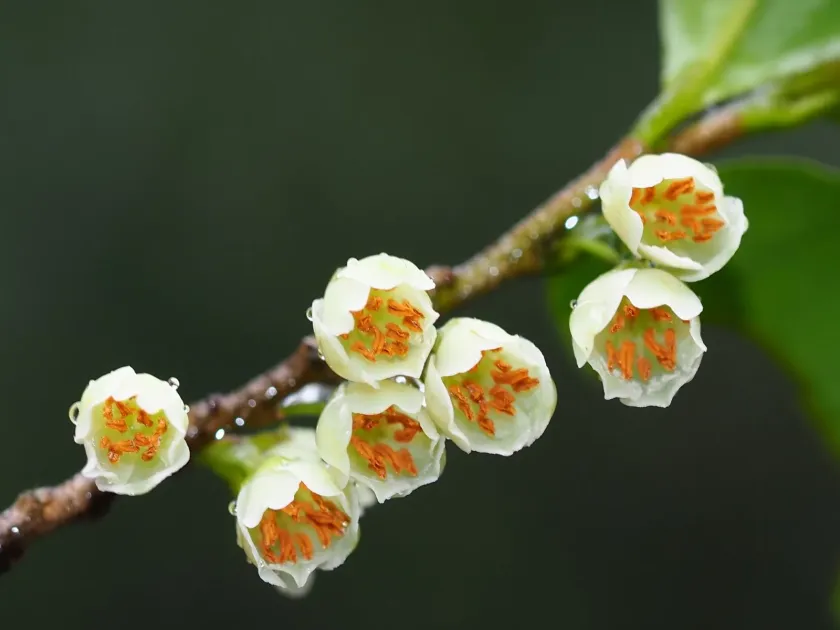
Botanically, it is recognized by its small, dense foliage and modest, cream-colored flowers. Its compact growth habit and natural resistance to various environmental stressors make it an excellent candidate for formal hedges and ornamental landscape architecture.
Cultural management should focus on maintaining soil acidity and moisture balance. Occasional pruning is beneficial for stimulating denser branching and managing the overall size of the shrub, especially when used in container gardening or restricted spaces.
Main diseases and pests
The most common threats to Eurya chinensis are root rot and other moisture-related fungal diseases. To mitigate these risks, growers should ensure that the soil medium has excellent permeability and strictly avoid overhead watering in humid conditions.
Insect pests, including scale insects and mealybugs, are common intruders that sap the plant's vigor. Regular horticultural oil applications or systemic insecticides are highly effective for maintaining plant health and preventing potential infestations.