
Eurya acuminata
Eurya acuminata
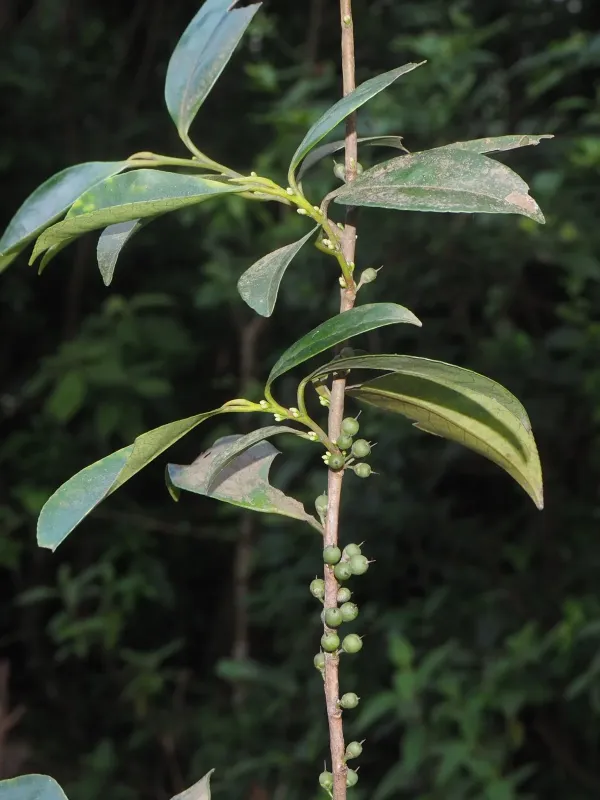
Description
Growing requirements
Eurya acuminata is a prominent member of the Pentaphylacaceae family, known for its elegant evergreen foliage and compact growth habit. Native to the mountainous regions of Asia, it thrives in environments that offer moderate temperatures and consistent moisture levels.
The plant requires acidic, well-draining soil to thrive. In a garden setting, it is essential to mimic its natural forest habitat by providing rich organic matter and ensuring that the soil structure remains loose and aerated to prevent waterlogging.
Light requirements for this species are specific; it prefers dappled sunlight or partial shade. Exposure to intense, direct sunlight can lead to leaf scorching, especially in younger specimens that have not yet established a deep root system.
The climatic tolerance of Eurya acuminata is limited, as it is not cold-hardy. Successful cultivation in non-tropical zones necessitates the use of climate-controlled environments like conservatories or greenhouses where frost can be strictly avoided.
Maintenance involves routine pruning to maintain its aesthetic shape. Because the growth is relatively slow, careful selection of the planting site is recommended to minimize the need for frequent transplanting or significant structural pruning later on.
Main diseases and pests
Root rot is the most common threat to Eurya acuminata, typically caused by improper drainage or excessive irrigation cycles that drown the root system.
Pests such as spider mites and scale insects are frequent intruders, particularly in indoor settings where low humidity and stagnant air favor their rapid population growth.
Leaf spot diseases, caused by various fungal pathogens, can affect the aesthetic quality of the foliage if the environment remains too humid without adequate ventilation.
Nutrient deficiencies, specifically related to iron and magnesium, can occur if the soil pH rises above the ideal acidic range, leading to yellowing of the leaves or chlorosis.
Integrated pest management, including regular sanitation and environmental control, remains the most effective strategy for preserving the health and vigor of this evergreen plant.