
Eriachne triseta
Eriachne triseta
Description
Growing requirements
Eriachne triseta is a perennial grass belonging to the Poaceae family, widely recognized for its resilience in arid and semi-arid environments. It serves as a vital component of the natural flora in parts of Australia, demonstrating remarkable evolutionary adaptations to nutrient-poor soils.
The plant thrives in sandy and rocky substrates where water retention is low. Its root architecture allows for efficient moisture extraction, which is essential for surviving extended periods of drought that characterize its native habitat.
Optimal growth requires well-drained soil conditions. Eriachne triseta is particularly sensitive to waterlogging, which can cause significant damage to its root system; therefore, positioning crops on elevated or naturally drained terrains is recommended for healthy development.
Climatic requirements are centered around its heat tolerance. The grass is fully adapted to high-temperature regimes and requires significant sunlight to maintain its physiological processes throughout the growing season.
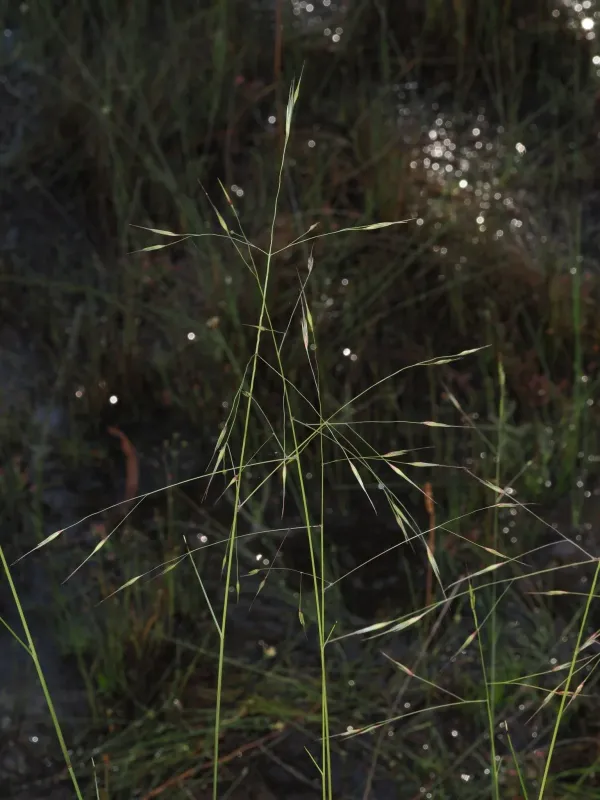
Botany-wise, the species is distinguished by its unique spikelet structure featuring three distinct awns. The leaves are typically narrow and rigid, which minimizes water loss through evaporation and protects the plant from intense solar radiation.
Yield
The agricultural use of Eriachne triseta is primarily focused on extensive grazing and soil conservation. While its total dry matter yield is generally lower than that of improved forage grasses, its reliability in harsh conditions makes it an invaluable asset for livestock production.
Nutritional value varies depending on the growth stage. Young vegetation is palatable and provides adequate protein for grazing herbivores, though quality declines as the plant matures and lignification increases in the leaf tissues.
Management practices for this species should include controlled grazing intervals to ensure plant vigor and longevity. Continuous overgrazing can deplete energy reserves stored in the roots, potentially leading to long-term stand degradation.
In terms of ecological restoration, this grass is used for stabilizing shifting sands and preventing wind erosion in arid landscapes. Its capability to persist in extreme environments makes it a candidate for re-vegetation projects in degraded agricultural lands.
Harvesting for fodder, when practiced, should be timed to maximize nutrient uptake before the seed set. This ensures that the gathered hay maintains a balanced profile of carbohydrates and proteins necessary for maintainance nutrition.