
Pale wanderrie grass
Eriachne pallescens
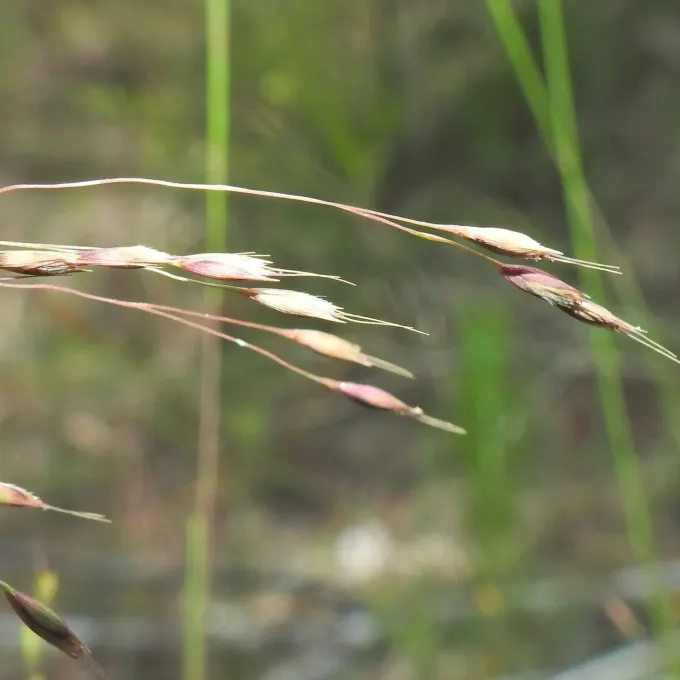
Description
Growing requirements
Pale wanderrie grass (Eriachne pallescens) is a perennial grass belonging to the Poaceae family. It serves as a significant forage plant in various tropical and subtropical regions, playing a vital role in the ecosystem of open woodlands and grasslands.
The native range of the species extends across parts of Asia, Australia, and Africa. It is highly adapted to diverse environments, thriving in sandy soils, rocky outcrops, and areas that experience periodic waterlogging during the rainy seasons.
The crop requires a warm climate with ample sunlight to reach its full vegetative potential. Its biological adaptations allow it to survive periods of drought, making it a reliable source of green matter in regions with erratic rainfall patterns.
Soil requirements for Eriachne pallescens are generally low. It demonstrates remarkable tolerance to acidic soils and nutrient-poor substrates, which makes it an ideal candidate for restoring degraded pasture lands where more demanding crops fail.
Its primary agricultural use is as a grazing grass for livestock. It is valued for its ability to withstand grazing pressure and its persistence in native pastures, providing essential roughage for cattle and other herbivores throughout the growing season.
Main diseases and pests
Common diseases affecting this species include fungal leaf blights and rusts, which can proliferate during extended periods of high humidity and rainfall, negatively impacting the nutritional quality of the foliage.
Pests such as grasshoppers and other orthopterans represent a primary threat to the vegetative biomass. Large populations of these insects can rapidly deplete pasture productivity, leading to significant forage losses for livestock farmers.
Soil-dwelling larvae can cause damage to the root system, weakening the plant and making it susceptible to secondary environmental stresses or drought-related dieback.
Competition with aggressive invasive weed species poses a constant risk to the persistence of Eriachne pallescens in managed pastures. Without regular monitoring and vegetation control, the desirable forage cover can decline rapidly.
Overgrazing remains the most critical threat to the long-term viability of the plant. Excessive grazing prevents the plant from replenishing its energy reserves in the roots, eventually leading to soil erosion and total degradation of the pasture surface.