
Eriachne glabrata
Eriachne glabrata
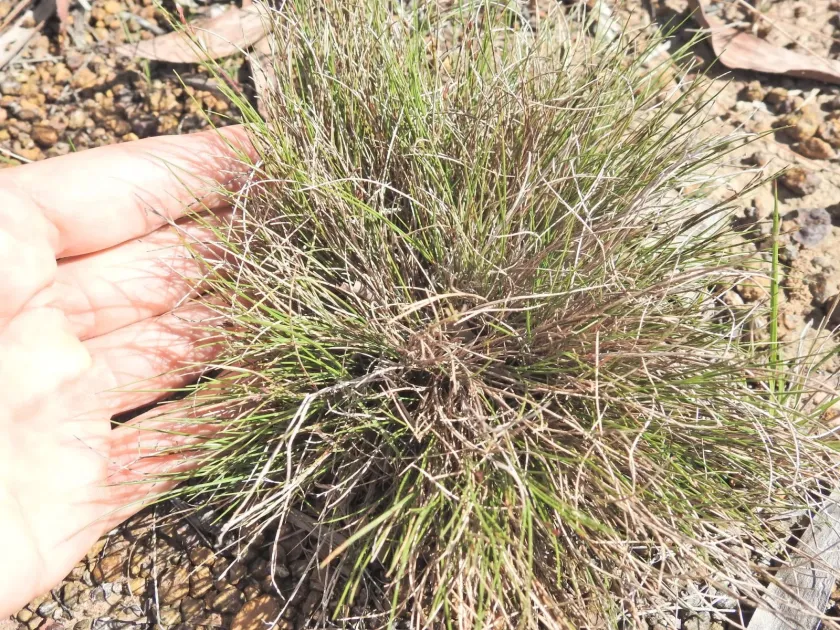
Description
Growing requirements
Eriachne glabrata is a perennial grass species belonging to the Poaceae family. Primarily native to the tropical regions of Australia, it is well-adapted to harsh environmental conditions where water scarcity is a frequent challenge.
The plant thrives in well-drained soils, often colonizing sandy or rocky terrains that are typically low in nutrients. Its ability to extract minerals from poor soils makes it a resilient choice for stabilizing degraded lands in arid climates.
Regarding climate requirements, this species favors high temperatures and ample sunlight. It is not cold-hardy, meaning that its successful cultivation is restricted to frost-free zones where thermal conditions remain consistent throughout the year.
The botanical structure of the plant consists of glabrous stems, which provide structural integrity without excessive foliage bulk. This allows the plant to maintain a low profile, effectively reducing water loss through transpiration during extreme heat.
A well-established root system is a defining feature of Eriachne glabrata. This root architecture helps the plant survive extended periods without precipitation by reaching deeper moisture layers that are unavailable to shallower-rooted grasses.
Yield
In agricultural settings, Eriachne glabrata is predominantly utilized as a forage crop. It serves as a vital component of pasture ecosystems, providing essential grazing resources for livestock in regions where temperate grasses fail to thrive.
The palatability of the grass is highest during the vegetative growth phase. Ranchers and farmers monitor the plant's development to ensure livestock graze at the optimal time, maximizing the intake of nutrients before the grass matures and hardens.
Dry matter yield is generally dependent on the available rainfall and soil fertility. While the species is adapted to nutrient-poor soils, tactical fertilizer applications can yield significant improvements in total biomass production for seasonal harvest.
Harvesting strategies for this grass emphasize timing. To ensure high-quality hay production, harvesting should be performed before the plant initiates seed head development to prevent excessive fiber lignification.
Management of grazing intensity is crucial for the long-term sustainability of Eriachne glabrata pastures. Overgrazing can deplete root reserves, while moderate, rotational grazing encourages the plant's natural regrowth and strengthens the existing stand.