
Elaeocarpus kirtonii
Elaeocarpus kirtonii
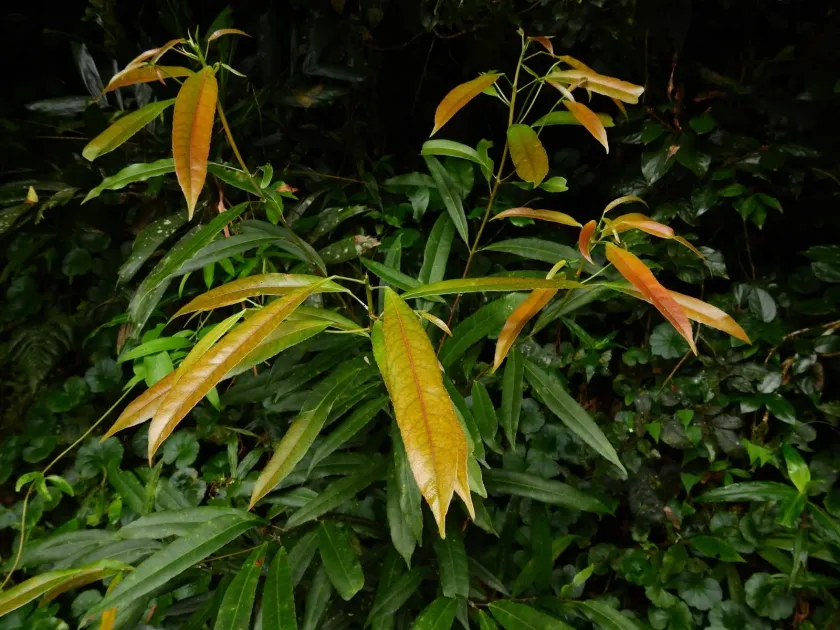
Description
Growing requirements
Elaeocarpus kirtonii, commonly known as White Quandong, is a large evergreen tree belonging to the Elaeocarpaceae family. It is native to the subtropical rainforests of eastern Australia, often found in deep, fertile alluvial soils.
The species requires a moist, humid environment to thrive. Cultivation sites should provide consistent moisture throughout the year, as the tree does not possess high tolerance for prolonged periods of drought, which can lead to stunted growth or leaf drop.
Soil requirements are quite specific: the plant prefers well-drained, nutrient-rich loams. While it enjoys moisture, the soil must be aerated to prevent root rot, which is a common issue in waterlogged conditions within nursery settings.
Light management is crucial during the early stages of development. Young saplings are shade-tolerant and perform best under the protective canopy of larger trees, which mimics their natural forest habitat and prevents leaf scorch.
Temperature sensitivity is a key factor for successful cultivation. The tree thrives in warm, temperate to subtropical climates and generally requires protection from heavy frosts, which can cause significant structural damage to young, developing tissues.
Harvesting
The primary economic value of Elaeocarpus kirtonii lies in its timber production. The wood is widely recognized for being lightweight, easy to work with, and suitable for internal joinery, furniture making, and plywood manufacturing.
Commercial harvesting is managed through selective logging practices. Because the trees can grow quite tall and straight, they are highly valued for their high-quality logs that yield excellent sawn timber when processed with appropriate drying techniques.
Beyond timber, the tree has significant ecological importance. The fruit acts as a vital food source for various native bird species, making it a critical component in reforestation projects and biodiversity restoration in its native range.
The harvesting of seeds for propagation follows the natural ripening cycle. Once the drupes turn a mature color, they are collected and processed to remove the flesh, allowing the woody endocarp to be prepared for germination in professional nurseries.
Effective management includes regular monitoring of sapling growth and competition from invasive species. Proper site preparation and minimal disturbance to the surrounding soil ecosystem contribute to the longevity and health of the forest stand.