
Elaeocarpus hygrophilus
Elaeocarpus hygrophilus
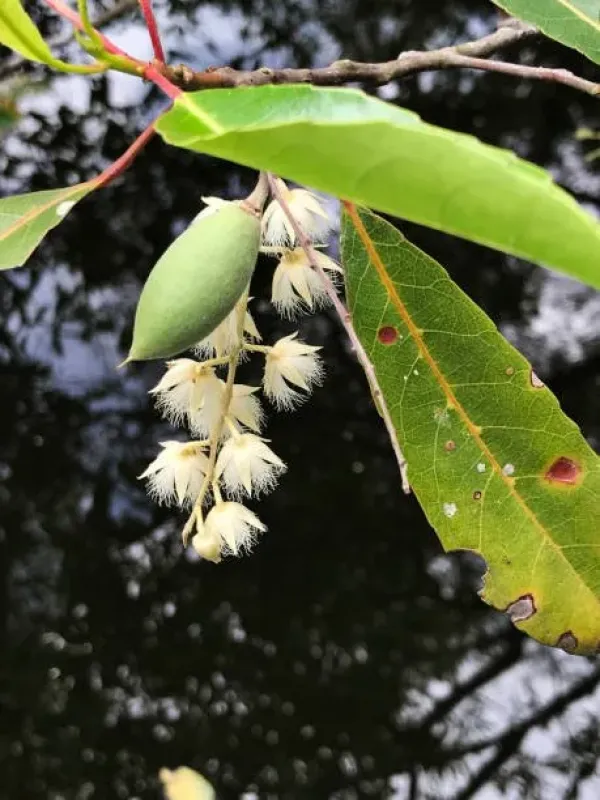
Description
Sowing dates
Propagation of Elaeocarpus hygrophilus is primarily achieved through seeds, which require specific conditions for high germination rates.
Seeds are typically sown in nursery beds at the beginning of the rainy season to benefit from high ambient humidity and moderate temperatures.
The seeds should be planted in a well-draining, nutrient-rich soil mix at a depth of approximately 2 to 3 centimeters.
Seedlings are nurtured in the nursery until they reach a height of at least 40-50 centimeters before being transplanted to the main field.
Spacing during planting is critical; trees should be set 6 to 8 meters apart to accommodate their canopy spread as they mature into full-sized trees.
Growing requirements
Elaeocarpus hygrophilus is a member of the Elaeocarpaceae family, native to the tropical wetlands of Southeast Asia.
As the name suggests, this species is highly moisture-loving and thrives in environments with high rainfall or near water bodies.
The ideal soil for this crop is fertile alluvial soil that offers both high organic content and excellent drainage to prevent root suffocation.
Temperatures should remain consistently between 22 and 30 degrees Celsius, as the plant is not frost-hardy and sensitive to cold stress.
Agricultural management involves regular mulching and the application of balanced fertilizers to support the rapid vegetative growth cycle.
Yield
The crop typically starts to reach commercial productivity between 7 and 10 years after initial planting, depending on site conditions.
The fruit develops in clusters, which allows for efficient harvesting techniques, whether performed manually or with minor mechanical assistance.
Mature trees can produce significant quantities of fruit annually, with yields varying based on the level of sunlight exposure and care provided.
Consistent irrigation during dry spells is the most important factor in maintaining steady yield levels across the plantation.
The fruit is valued for its nutritional profile, making it a viable crop for both local markets and the food processing industry.
Main diseases and pests
The main threats to Elaeocarpus hygrophilus include soil-borne fungal pathogens that thrive in stagnant water if the drainage is insufficient.
Pest management is focused on controlling tropical foliage-feeding insects and fruit flies that can severely impact the quality of the harvest.
Regular sanitation of the orchard, including the removal of dead branches and fallen fruit, is essential to break the disease life cycle.
Integrated pest management (IPM) strategies, including biological control, are recommended to maintain environmental standards.
Vigilance during the flowering phase is necessary, as the tree's health directly correlates to the resilience of the developing fruit against pests.
Harvesting
Harvesting is performed in several stages, as fruit maturity varies throughout the canopy, requiring selective picking methods.
Care must be taken to handle the fruit gently to avoid bruising, which significantly reduces the shelf life of the commodity.
Post-harvest processing involves immediate grading based on size and skin integrity to ensure quality consistency for buyers.
The harvested fruit is ideally stored in cool, ventilated facilities to maximize its marketability before it is processed into jams or snacks.
Efficient supply chain management is vital, as the fruit is perishable and requires prompt distribution to reach consumers at peak freshness.