
Echinops sphaerocephalus
Echinops sphaerocephalus L.
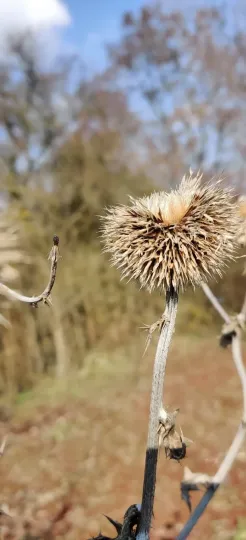
Description
Sowing dates
Echinops sphaerocephalus L., commonly known as the globe thistle, belongs to the Asteraceae family. It is a robust perennial herb often cultivated as an industrial honey plant for its high nectar production.
Sowing is typically performed in early spring once the soil temperature reaches 5–8 degrees Celsius. Autumn sowing is also an option as it allows seeds to undergo natural stratification, improving emergence rates.
The recommended seeding rate is 8–10 kg per hectare with a row spacing of 45–60 cm. Seeds should be planted at a shallow depth of 2–3 cm to ensure optimal germination conditions and strong early development.
The plant features a deep taproot system, which contributes to its exceptional resilience against drought once established. This biological characteristic makes it suitable for semi-arid environments where other crops might struggle.
In the first year, the plant develops a large basal rosette of leaves, while stem elongation and flowering typically occur during the second year of the growth cycle.
Growing requirements
Echinops sphaerocephalus is not particularly demanding regarding soil fertility, but it performs best on light, well-drained, and lime-rich soils. It exhibits high tolerance to drought due to its deep root structure.
As a light-loving species, it requires open, sun-exposed sites for commercial production. Excessive shade can lead to leggy stems and a significant decline in nectar yields during the flowering season.
The optimal temperature for development ranges from 20–25 degrees Celsius. The species is highly cold-hardy and can withstand harsh winters without any specialized protection or shelter.
Basic maintenance includes weed control during the seedling stage. Once the canopy closes, the plant is vigorous enough to compete with and suppress most common weeds.
Avoiding waterlogging is essential, as saturated soil can lead to root rot during the dormant winter months, which could impair the plant's long-term productivity.
Yield
The primary use of Echinops sphaerocephalus is in apiculture. It is regarded as a top-tier summer honey source, known for its ability to produce high-quality honey with a delicate flavor profile.
Nectar productivity can reach 400–600 kg per hectare in optimal years. The resulting honey is typically light in color, has an appealing aroma, and is slow to crystallize, making it highly valued by beekeepers.
The seeds are rich in fatty oils, which have potential technical applications, and contain the alkaloid echinopsine, which is of ongoing interest for pharmacological research and development.
Seed yields generally range between 5 and 8 quintals per hectare, depending heavily on the density of the planting and prevailing meteorological conditions during the blooming period.
Beyond apiculture, the plant serves as a beneficial green manure, improving soil structure through its extensive root system that aerates deeper soil horizons and contributes organic matter.
Main diseases and pests
Echinops sphaerocephalus generally possesses a strong immune system, but it can be susceptible to fungal diseases like powdery mildew if managed incorrectly. Ensuring proper ventilation between rows is the best preventative measure.
Common pests include weevils and various larvae that may damage the flower heads and foliage. Frequent field scouting is necessary to identify and manage potential infestations at an early stage.
Implementing a proper crop rotation system is crucial to prevent the buildup of soil-borne pathogens. It is advised to wait at least 4–5 years before returning the crop to the same plot.
During the seed maturation phase, birds can pose a significant threat by feeding on the flower heads. Strategic use of deterrents can help mitigate crop losses during this sensitive period.
High humidity conditions may increase the risk of bacterial stem rot, which necessitates ensuring good drainage at the site and avoiding over-irrigation during the growing season.
Harvesting
Harvesting should begin once the flower heads transition to a gray or brownish color and the seeds within become firm and darkened, indicating full physiological maturity.
Due to uneven ripening of the flower heads, producers often utilize a multi-pass harvest method or swathing to prevent seed shatter and maximize the total recovered yield.
After cutting, the stems should be bundled and left to cure under cover, allowing the seeds to reach optimal moisture levels and improve overall seed quality.
Threshing is performed using standard equipment once the material is sufficiently dry, followed by winnowing to remove chaff and debris from the final product.
Stored seeds must be kept in cool, dry, and well-ventilated conditions to maintain their viability and prevent mold growth, which can occur rapidly in humid environments.