
Ebracteola wilmaniae
Ebracteola wilmaniae
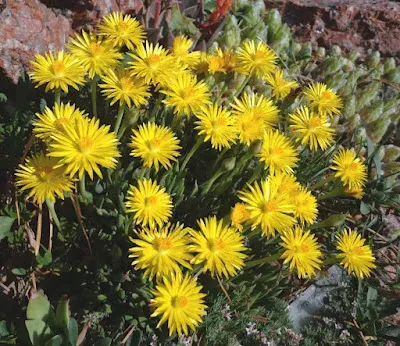
Description
Growing requirements
Ebracteola wilmaniae is a resilient succulent species belonging to the Aizoaceae family. Native to the arid regions of Southern Africa, this plant has evolved to thrive in harsh, semi-desert conditions with very little water availability.
Botanically, the plant is characterized by its compact habit and fleshy, succulent leaves arranged in tight clusters. Its growth rate is notably slow, making it a valuable subject for specialized succulent collections and xeriscaping.
For successful cultivation, a highly inorganic soil mixture is essential. It requires a substrate composed primarily of grit, coarse sand, and a small portion of organic matter to ensure rapid drainage, as the roots are extremely sensitive to stagnation.
The plant demands high levels of light exposure throughout the year. In indoor environments, a south-facing windowsill or supplemental artificial lighting is often necessary to prevent etiolation and maintain the plant's natural compact shape.
Proper agro-technical management involves deep but infrequent watering during the active growing season. During the winter dormancy phase, the plant requires cool temperatures and almost complete drought to mimic its natural cycle, which ultimately triggers spring flowering.
Main diseases and pests
The most common threat to Ebracteola wilmaniae is fungal infection due to excessive moisture. Overwatering can lead to rapid root rot, which is often fatal if not caught in the early stages of the disease.
Pest management should focus on common succulent invaders like mealybugs and spider mites. These pests thrive in dry conditions and can easily hide within the dense leaf structures, requiring proactive monitoring and occasional treatment.