
Ebracteola derenbergiana
Ebracteola derenbergiana
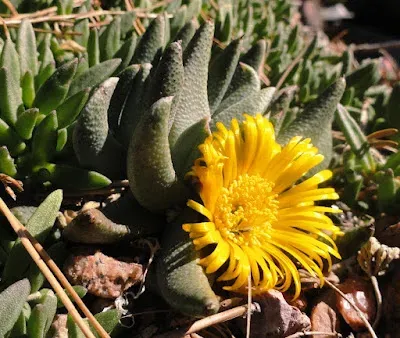
Description
Sowing dates
Sowing Ebracteola derenbergiana seeds is typically performed in the spring, coinciding with the increase in natural light intensity to support early growth.
Optimal germination requires steady temperatures between 20 and 25 degrees Celsius, ensuring that the seeds sprout uniformly within a few weeks.
The sowing substrate must be exceptionally well-draining, consisting of a mix of fine sand, perlite, and a small amount of peat to provide stability.
Seeds should be sown on the surface of the soil and not buried, as they require light exposure to trigger the germination process effectively.
Maintaining high humidity with a transparent cover is critical during the initial stages until the seedlings develop their first true leaves.
Growing requirements
Ebracteola derenbergiana is a member of the Aizoaceae family, native to the arid regions of Southern Africa, characterized by its succulent, water-storing foliage.
The plant demands high light levels; in cultivation, it thrives best in direct sunlight, which promotes compact growth and prevents etiolation of the stems.
Soil requirements are strict: the medium must be highly porous and mineral-based, as organic-rich soils can cause root rot under improper watering conditions.
During the active growing season, irrigation should be intermittent, allowing the substrate to dry out completely to mimic the natural drought cycles of its habitat.
Winter care involves a mandatory dormancy period, requiring cool temperatures and minimal water to allow the plant to store energy for the coming season.
Main diseases and pests
The primary threats to Ebracteola derenbergiana are fungal pathogens that attack the root system, usually triggered by excessive soil moisture and poor drainage.
Mealybugs are the most common insect pests, often hiding in the dense clusters of leaves where they can cause significant damage if left untreated.
Spider mites can also become a problem in environments with low humidity and poor ventilation, leaving visible signs of damage on the epidermis of the plant.
Integrated pest management, including regular inspection and the use of insecticidal soap or specialized systemic treatments, is recommended for healthy plants.
To prevent disease outbreaks, it is essential to ensure that the plants are not overcrowded and that they receive adequate airflow throughout the growing cycle.